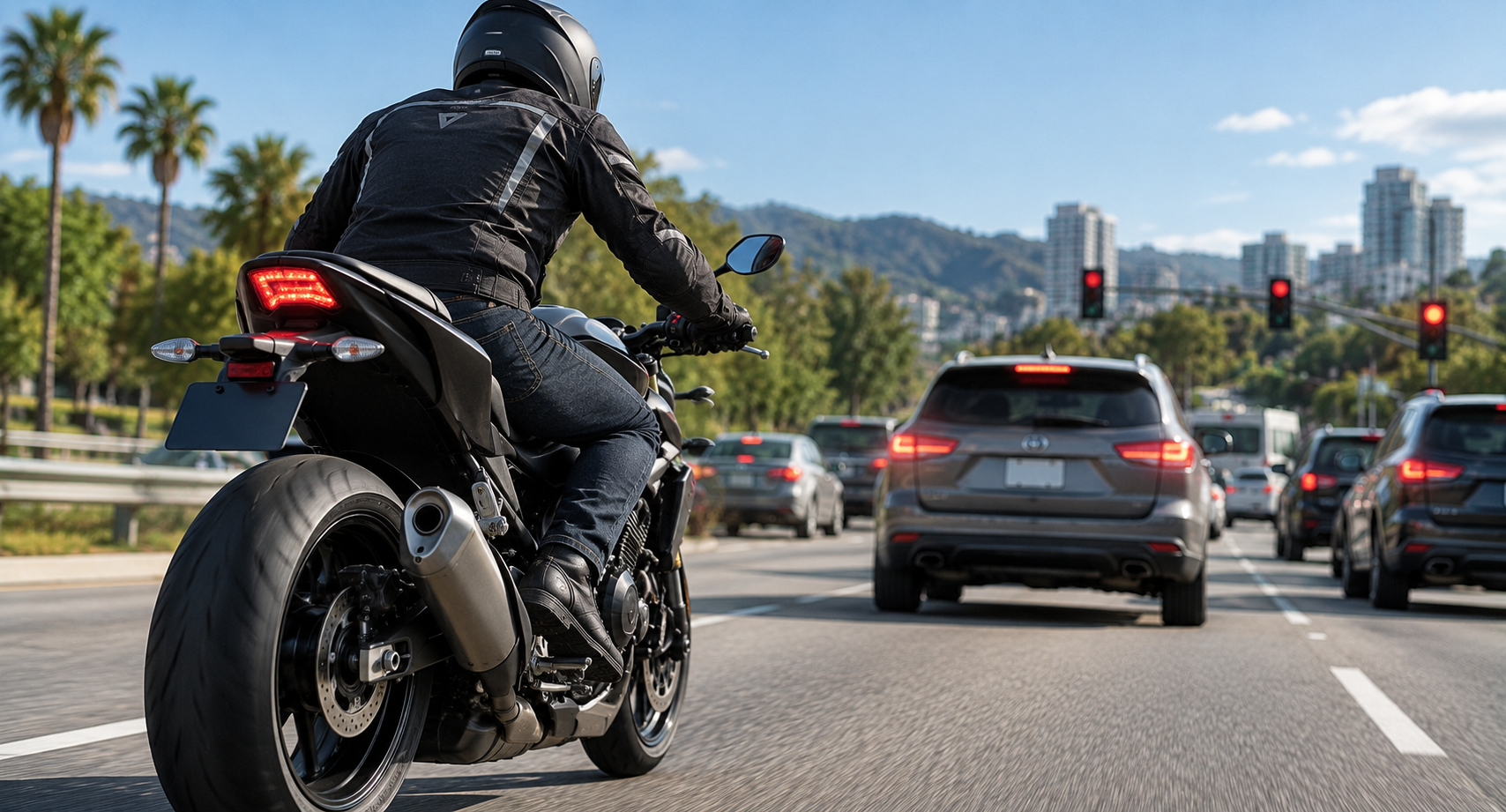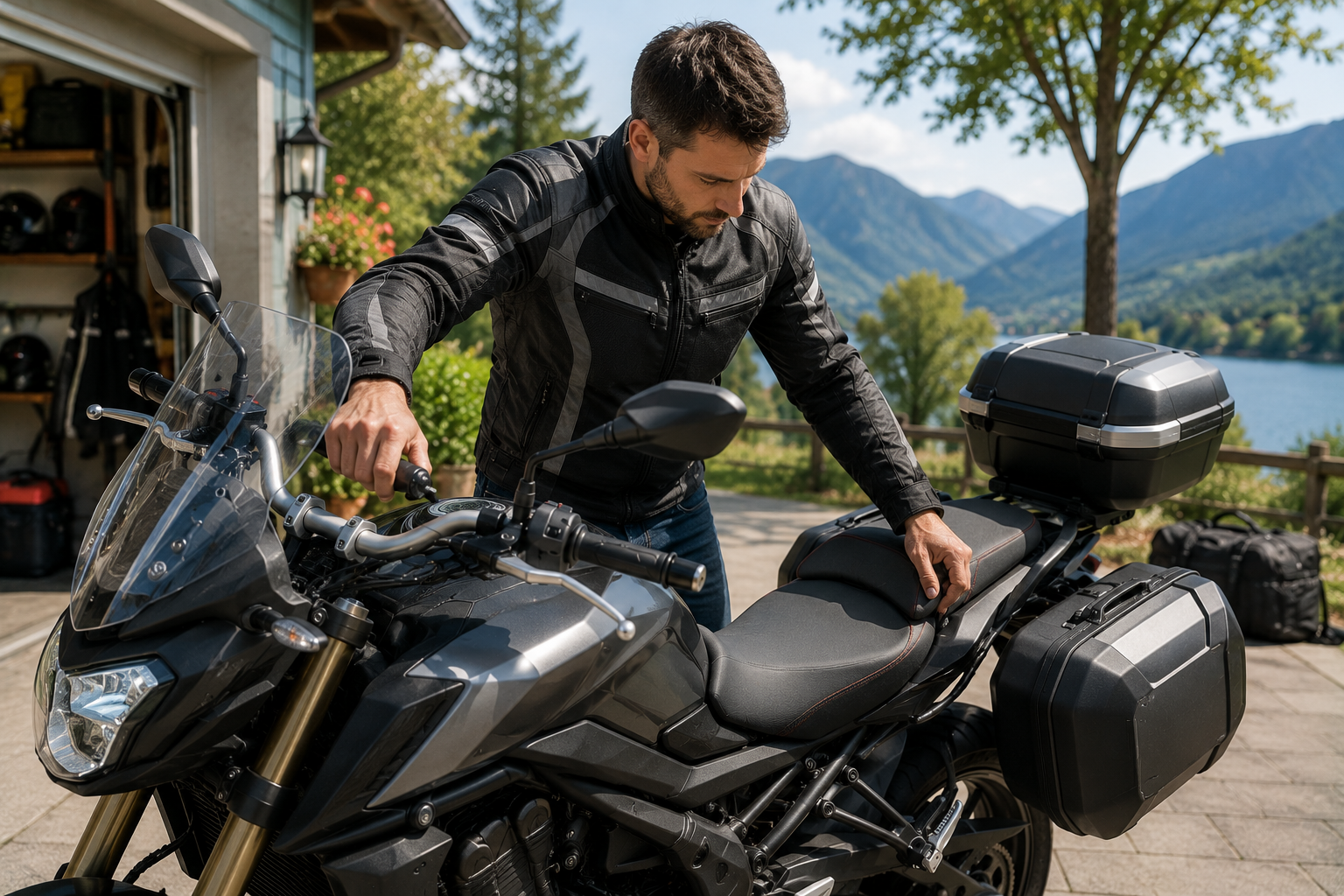
Motorcycle riding requires a combination of physical control, awareness, and decision-making skills. While motorcycles provide an enjoyable and efficient way to travel, riders must manage unique challenges that are different from operating a passenger vehicle. Proper training helps riders develop the skills needed to handle unexpected situations and improve overall safety on the road.
Many motorcycle accidents happen because riders lack experience with emergency situations, poor decision-making, or advanced control techniques. Rider training programs provide structured learning opportunities that allow motorcyclists to practice essential skills in controlled environments before applying them in real traffic.
Whether someone is a new rider or has years of experience, continued education can improve confidence, awareness, and riding ability.
Why Motorcycle Rider Training Matters
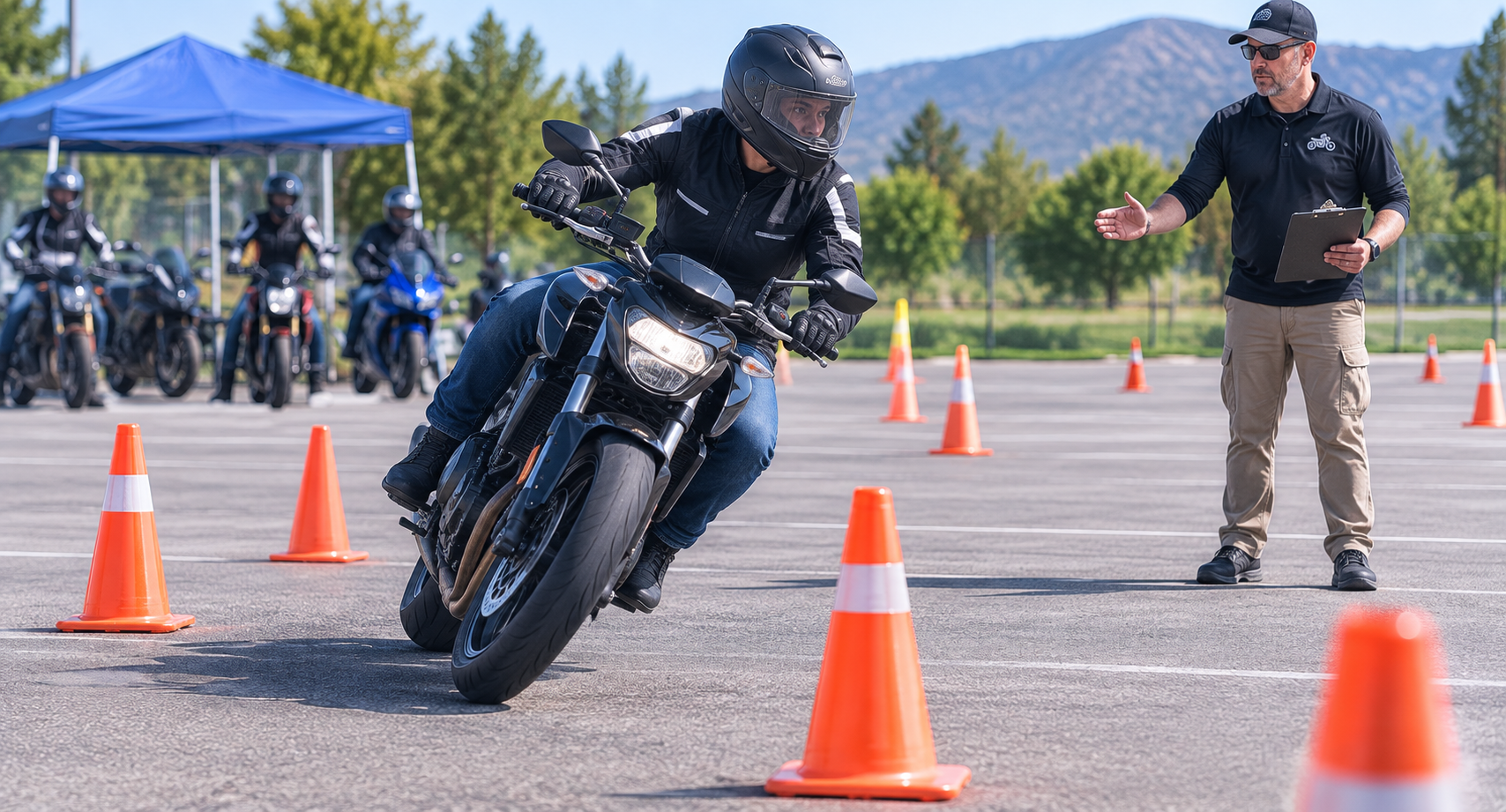
Motorcycle training teaches riders how to properly control their bikes in different situations. Basic riding skills may include starting, stopping, turning, and shifting, while advanced programs focus on emergency maneuvers, hazard recognition, and improved decision-making.
The Motorcycle Safety Foundation provides rider education programs designed to improve motorcycle control and safety awareness.
Training is especially valuable because motorcycles require more physical involvement than cars. Riders must balance the motorcycle, control throttle input, manage braking forces, and constantly evaluate surrounding hazards.
Building Strong Motorcycle Control Skills
One of the biggest benefits of rider training is improved motorcycle control. Riders learn how small adjustments affect the bike’s movement and stability.
Throttle Control
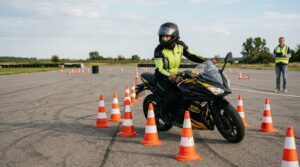 Smooth throttle control helps prevent sudden acceleration or instability. Training teaches riders how to gradually apply power while maintaining balance.
Steering Techniques
Proper steering techniques allow riders to navigate curves, avoid obstacles, and maintain better control during unexpected situations.
Balance and Low-Speed Maneuvering
Low-speed control is important for parking lots, traffic congestion, and tight spaces. Training helps riders develop confidence when balancing at slower speeds.
Learning Emergency Braking and Maneuvering Skills
Emergency situations require quick reactions. A rider who has practiced emergency braking and evasive maneuvers is better prepared to respond when hazards appear suddenly.
Training courses allow riders to practice stopping quickly while maintaining motorcycle control. These exercises teach proper brake application and help riders understand how their motorcycle responds during sudden stops.
Riders also practice swerving techniques to avoid obstacles without losing balance or control.
Improving Hazard Awareness
Successful motorcycle riding involves more than controlling the bike. Riders must constantly observe traffic, road conditions, and potential hazards.
Training improves a rider’s ability to recognize dangerous situations before they happen. This includes identifying distracted drivers, unsafe road conditions, and traffic patterns that may create risks.
For more information about reducing motorcycle risks, visit our motorcycle injury prevention resources.
Benefits of Professional Motorcycle Training
Professional training provides structured instruction from experienced riders who can identify mistakes and provide guidance.
Some important benefits include:
- Improved confidence
- Better motorcycle handling skills
- Safer braking techniques
- Improved hazard recognition
- Better understanding of motorcycle dynamics
Training Benefits for Experienced Riders
Motorcycle training is not only for beginners. Experienced riders can also benefit from advanced courses that focus on refining existing skills.
Experienced riders may develop habits over time that reduce safety. Training provides an opportunity to review fundamentals and improve techniques.
How Training Helps Prevent Accidents
Rider training cannot eliminate every possible danger, but it can help riders make better decisions. A trained rider may recognize hazards sooner, react faster, and maintain better control during difficult situations.
Skills learned through training can help reduce mistakes involving braking, cornering, speed management, and emergency responses.
Choosing the Right Motorcycle Training Program
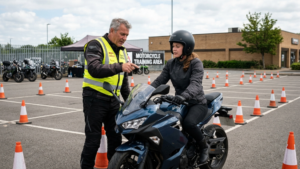 When selecting a training program, riders should consider their experience level and goals.
- Beginner courses for new riders
- Intermediate courses for improving skills
- Advanced courses for experienced riders
Programs should include both classroom instruction and practical riding exercises.
Continuing Motorcycle Education
Motorcycle skills improve through continued practice and learning. Traffic patterns, technology, and riding environments change over time, making ongoing education valuable.
Riders should continue developing their abilities even after gaining experience.
Conclusion
Motorcycle rider training plays an important role in improving safety, confidence, and control. Learning proper techniques allows riders to handle challenges more effectively and make better decisions on the road.
From emergency braking to hazard awareness, training provides valuable skills that can help prevent accidents and create safer riding experiences.
For additional safety information, read our guide about what to do after a motorcycle accident and learn more about protective motorcycle gear.