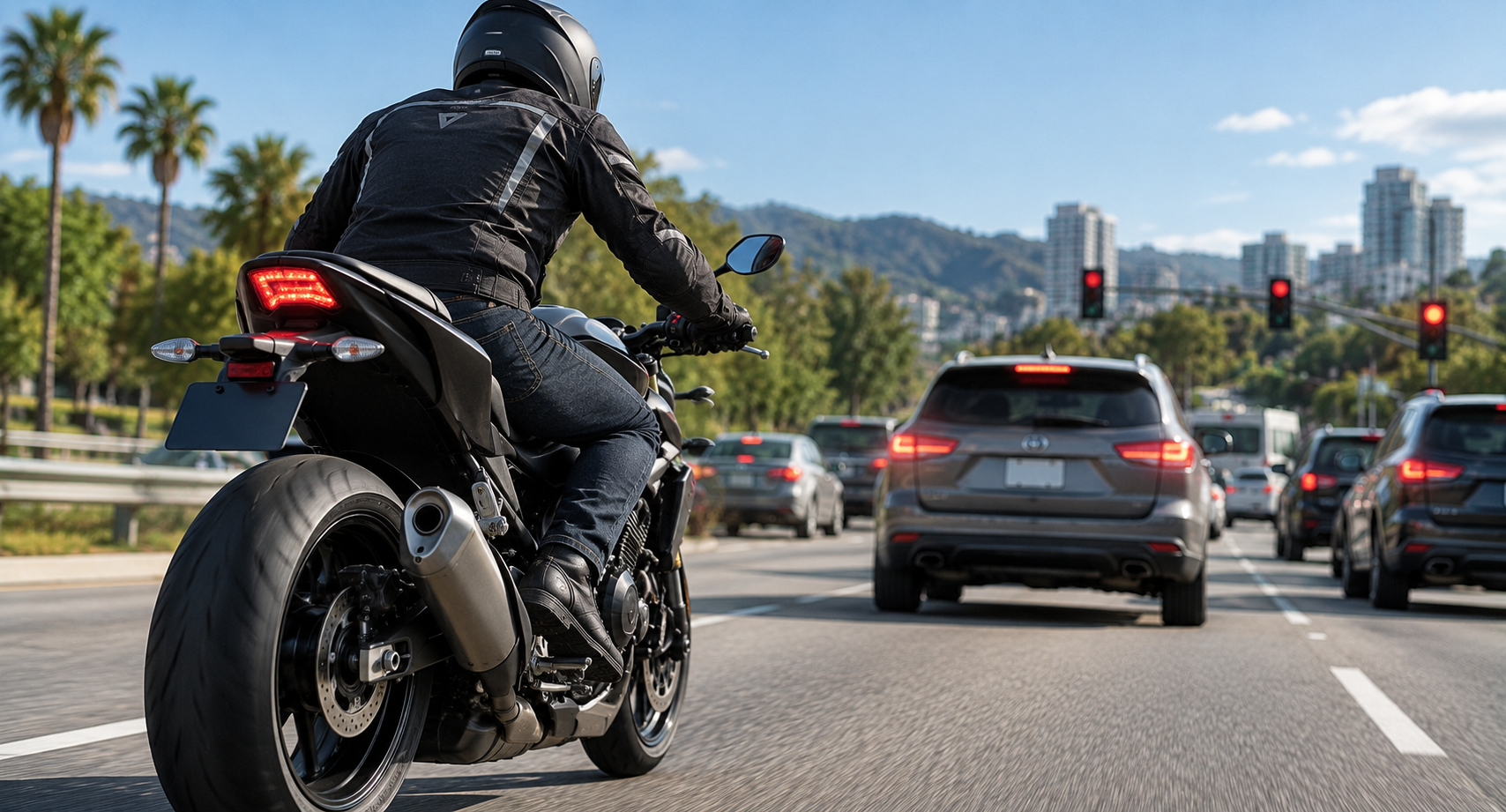
Motorcycle safety is influenced by many factors, including rider skill, awareness, and motorcycle condition. However, one important factor that is often overlooked is ergonomics. The way a motorcycle fits a rider can directly affect comfort, control, reaction ability, and overall safety.
Motorcycle ergonomics refers to how the rider interacts with the motorcycle, including seating position, handlebar placement, foot controls, and overall body positioning. A motorcycle that does not properly fit a rider can create discomfort, fatigue, and reduced control during a ride.
Understanding motorcycle ergonomics helps riders make adjustments that improve confidence and create a safer riding experience.
Understanding Motorcycle Ergonomics
Ergonomics focuses on creating a comfortable connection between the rider and the motorcycle. Every rider has different body proportions, riding styles, and comfort needs.
A motorcycle that feels comfortable for one rider may feel difficult to control for another. Factors such as seat height, reach to handlebars, and footpeg position all influence how naturally a rider can operate the motorcycle.
Proper ergonomics allow riders to maintain better posture, reduce unnecessary strain, and react more effectively to changing road conditions.
How Riding Position Affects Control
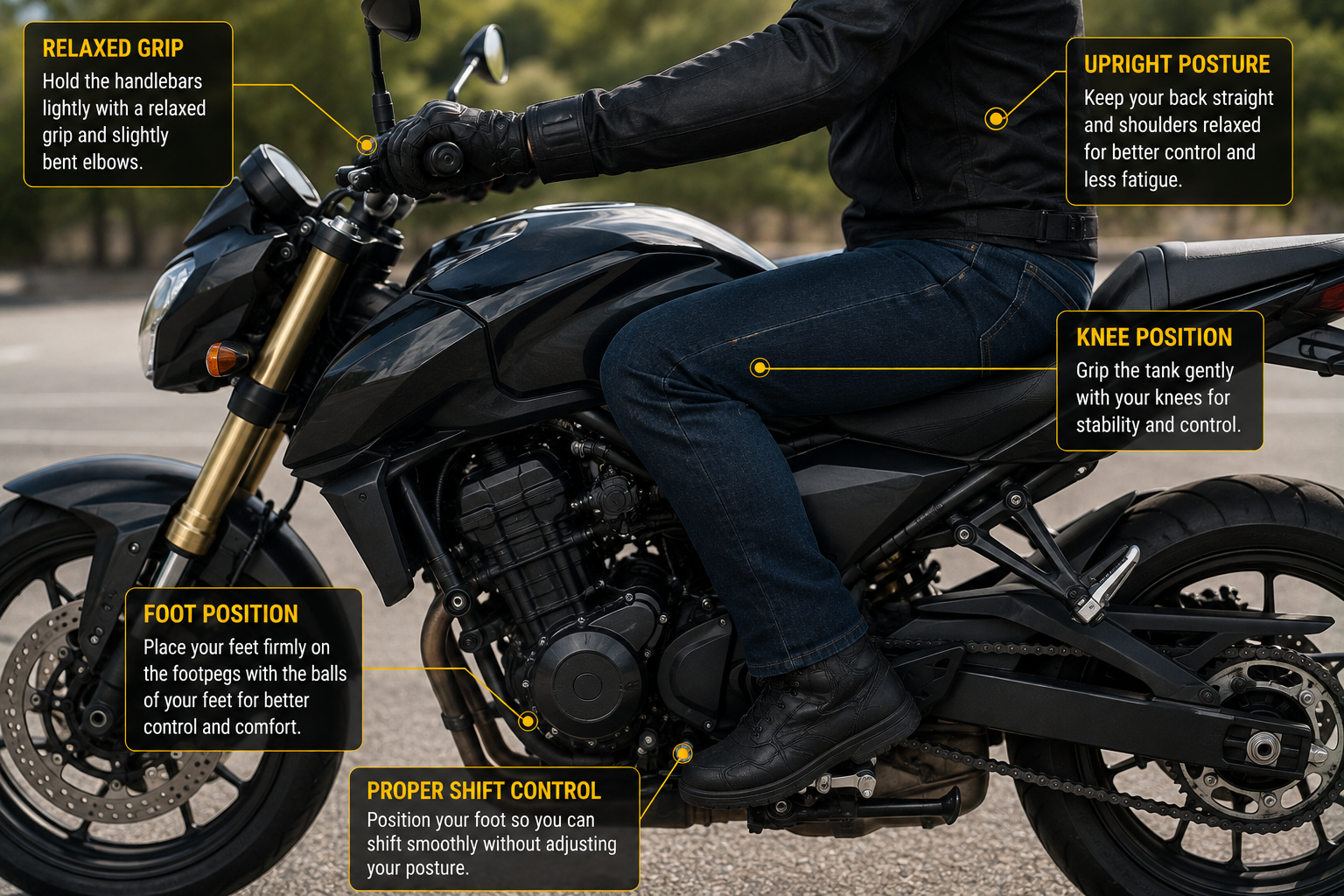
A rider’s position on the motorcycle affects balance and handling. A comfortable riding posture allows the rider to move naturally while maintaining control of the motorcycle.
- Hands should comfortably reach handlebars without excessive stretching
- Arms should remain relaxed to allow smooth steering
- Knees should comfortably grip the motorcycle
- Feet should easily access controls
Poor positioning can create tension in the shoulders, wrists, and back, making it harder to maintain precise control.
Handlebar Position and Rider Comfort
Handlebars play an important role in rider comfort and control. If handlebars are positioned too high, too low, or too far away, riders may experience discomfort and reduced steering control.
Incorrect handlebar positioning can cause wrist pressure, shoulder tension, and arm fatigue. Over time, this discomfort may affect concentration and riding performance.
Many riders adjust handlebars or install aftermarket options to create a more natural riding position.
Seat Comfort and Long-Distance Riding
The motorcycle seat directly affects comfort, especially during longer rides. A poorly designed seat can create pressure points and discomfort that distract riders from the road.
Seat height also influences control. Riders who cannot comfortably place their feet on the ground may struggle during stops or low-speed situations.
Choosing the right seat height and cushioning can improve confidence and reduce unnecessary physical strain.
How Foot Controls Affect Safety
Foot controls must be positioned where riders can easily operate them. Brake pedals, gear shifters, and footpegs should allow smooth movement without requiring uncomfortable positioning.
Poorly adjusted controls may delay reactions when braking or shifting. Small adjustments can improve comfort and make motorcycle operation more natural.
How Ergonomics Affect Long-Distance Riding
Long rides require sustained physical effort. An uncomfortable motorcycle setup can increase fatigue and reduce a rider’s ability to stay focused.
Proper ergonomics help reduce stress on:
- Lower back
- Shoulders
- Wrists
- Neck
- Legs
A comfortable rider is more likely to maintain awareness and make safer decisions during extended trips.
Adjusting a Motorcycle for Different Riders
Motorcycles are often designed with adjustable features that allow riders to customize their setup.
Common adjustments include:
- Handlebar position
- Seat height
- Footpeg placement
- Windshield height
- Control lever angles
These adjustments help create a better connection between the rider and motorcycle.
Common Ergonomic Mistakes Riders Make
- Ignoring discomfort during rides
- Using incorrect seat height
- Riding with excessive arm tension
- Failing to adjust controls
- Choosing a motorcycle that does not fit their body type
Small ergonomic problems can become larger safety concerns when they affect concentration and control.
Choosing the Right Motorcycle Fit
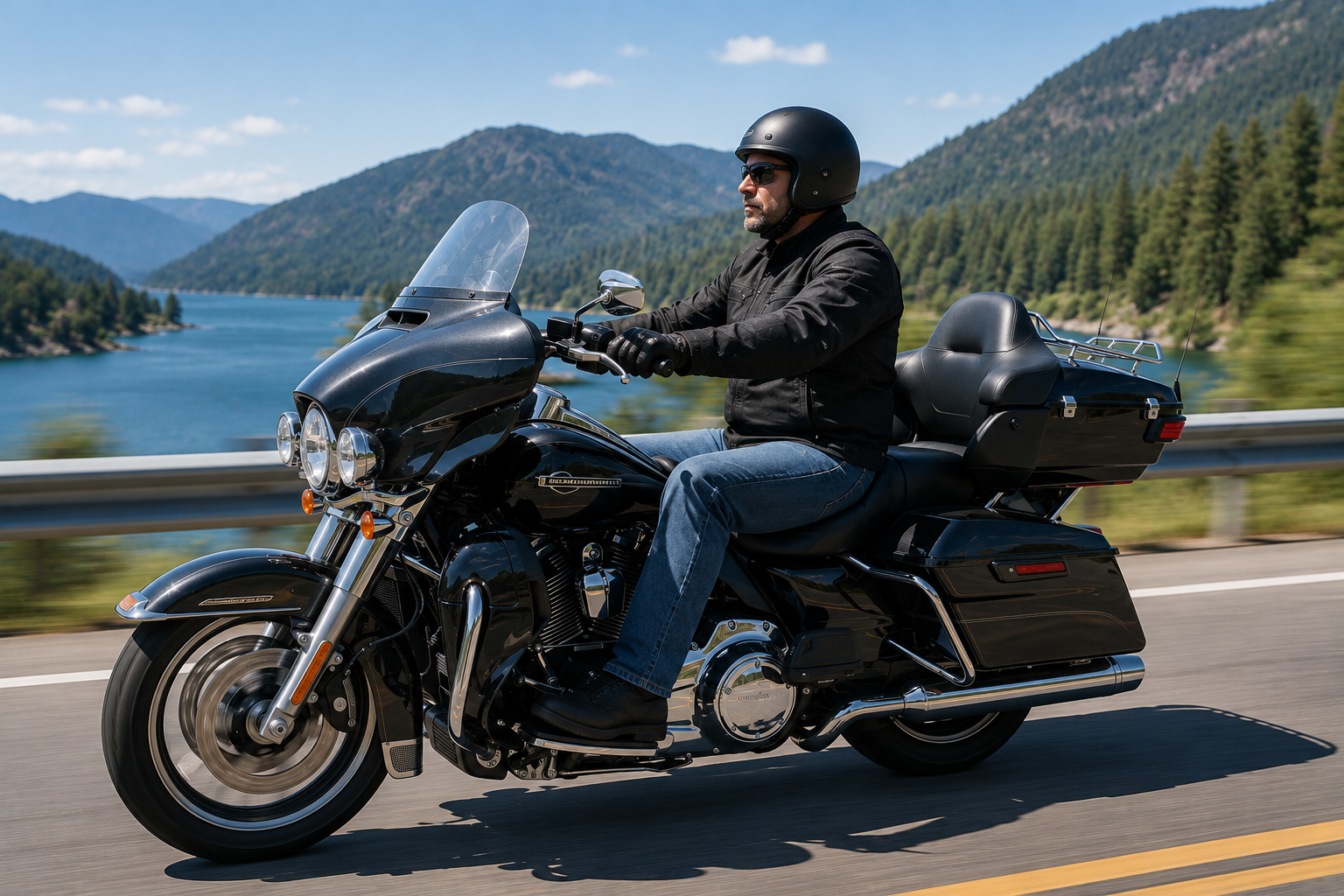
When selecting a motorcycle, riders should consider how naturally they fit the bike. Important factors include reach, weight, seat height, and riding purpose.
A motorcycle should allow the rider to comfortably operate controls while maintaining a relaxed posture.
The Motorcycle Safety Foundation provides rider education resources that help motorcyclists improve their skills and safety awareness.
Ergonomics and Accident Prevention
Proper motorcycle ergonomics can contribute to accident prevention by improving rider control and reducing physical distractions.
A rider who is uncomfortable may experience reduced concentration, slower reactions, and difficulty controlling the motorcycle smoothly.
For more information about reducing riding risks, visit our motorcycle injury prevention resources.
Conclusion
Motorcycle ergonomics play an important role in rider comfort, control, and safety. A properly adjusted motorcycle allows riders to maintain better posture, reduce fatigue, and respond more effectively to changing conditions.
From handlebars and seats to foot controls and riding position, every adjustment contributes to a safer riding experience.
For additional motorcycle safety information, read our guide about motorcycle accident safety steps and learn more about protective motorcycle gear.