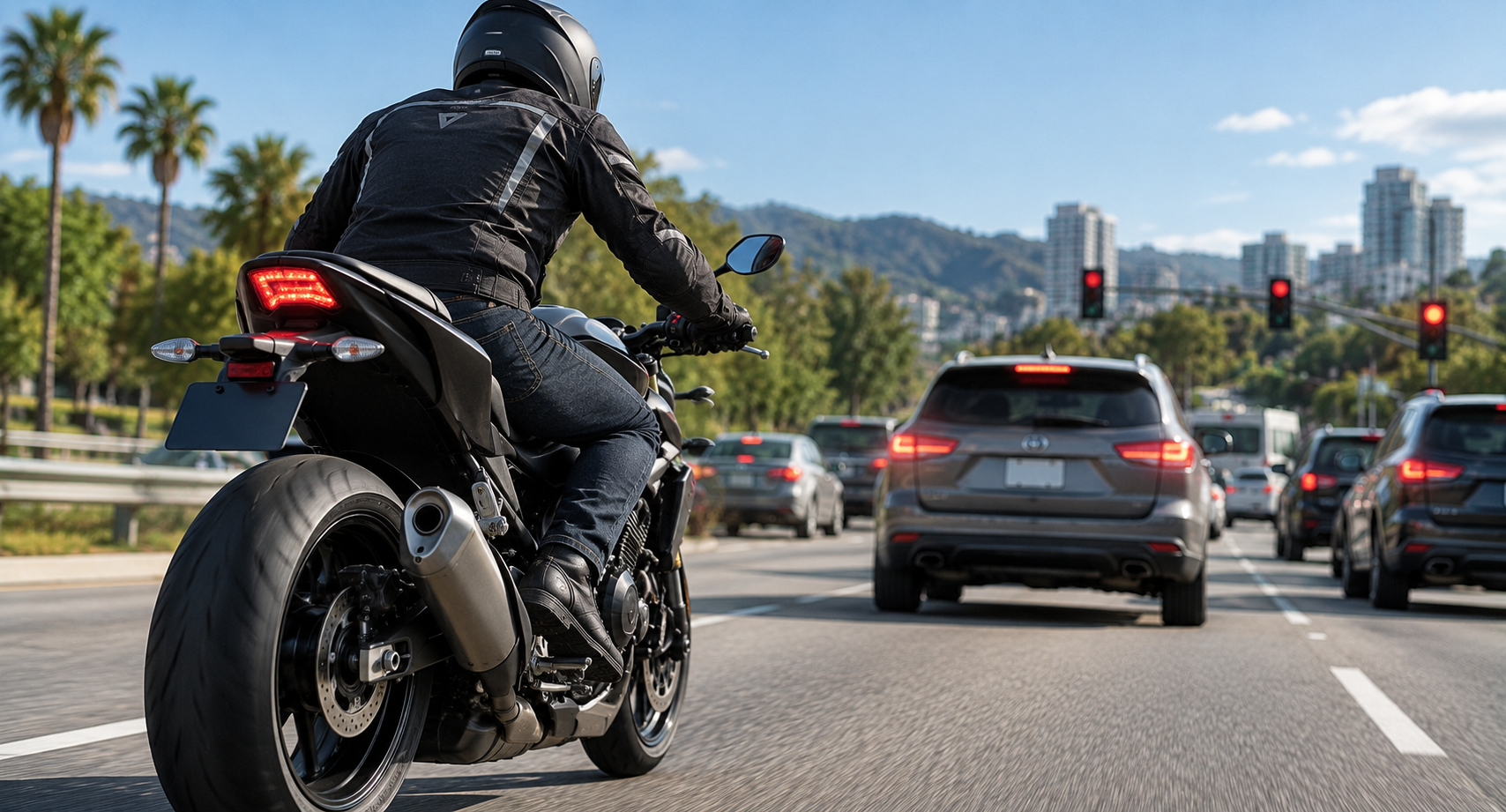
Motorcycle braking is one of the most important skills every rider must understand. A motorcycle’s braking system directly affects stopping distance, stability, and overall control. Unlike passenger vehicles, motorcycles require riders to manage braking forces carefully because weight distribution, traction, and body position all influence how the bike responds.
Understanding how motorcycle brakes work and learning proper braking techniques can help riders respond more effectively to changing traffic conditions, unexpected hazards, and emergency situations. A well-maintained braking system combined with proper riding technique improves safety and confidence on every ride.
Why Motorcycle Braking Safety Matters
Braking is a fundamental part of motorcycle control. Riders depend on their brakes when approaching intersections, slowing in traffic, navigating curves, and avoiding obstacles.
Because motorcycles have only two wheels, braking requires balance and precision. Applying too much pressure too quickly can affect traction, while braking too gently may increase stopping distance.
The National Highway Traffic Safety Administration (NHTSA) provides motorcycle safety information emphasizing the importance of rider skills, awareness, and proper control techniques.
Understanding Motorcycle Brake Components
A motorcycle braking system consists of several components that work together to slow and stop the motorcycle. Each part must function properly to provide reliable braking performance.
Front Brake System
The front brake provides a significant amount of stopping power because braking shifts the motorcycle’s weight toward the front wheel.
Front brakes typically include:
- Brake lever
- Hydraulic brake lines
- Brake caliper
- Brake pads
- Brake rotor
Because the front brake provides strong stopping force, riders should learn to apply it smoothly and progressively rather than grabbing it suddenly.
Rear Brake System
 The rear brake helps stabilize the motorcycle during braking. While it provides less stopping power than the front brake, it plays an important role in maintaining balance.
Using both brakes together allows riders to achieve smoother and more controlled stops.
Brake Pads, Rotors, and Fluid
Brake pads create friction against the rotor to slow the motorcycle. Over time, brake pads wear down and become less effective.
Brake fluid also plays an important role because hydraulic systems depend on proper pressure transfer. Old or contaminated brake fluid can reduce braking performance.
How Motorcycle Brakes Work
Motorcycle brakes operate through hydraulic pressure. When a rider squeezes the brake lever or presses the rear brake pedal, pressure moves through the brake system and forces the brake pads against the rotor.
Hydraulic Brake Pressure
Hydraulic systems allow riders to apply controlled braking force. However, brake performance depends on proper maintenance and correct adjustment.
Air inside brake lines, worn components, or damaged parts can reduce braking effectiveness.
Weight Transfer During Braking
When a motorcycle slows down, weight transfers toward the front wheel. This increases front tire grip but reduces some pressure on the rear tire.
Understanding weight transfer helps riders avoid sudden braking mistakes. Smooth application allows the suspension and tires to maintain better contact with the road.
Front and Rear Brake Balance
Effective braking requires balance between the front and rear brakes. Using only one brake may reduce control and increase stopping distance.
Experienced riders learn how much pressure to apply depending on speed, road conditions, and traffic situations.
How ABS Technology Improves Motorcycle Safety
Anti-lock braking systems (ABS) are designed to prevent wheels from locking during hard braking. When a wheel begins to lose traction, ABS automatically adjusts brake pressure to help maintain control.
Preventing Wheel Lock
Wheel lock can cause a motorcycle to slide, especially on wet or slippery surfaces. ABS helps reduce this risk by preventing excessive braking force from stopping the wheels from rotating.
Maintaining Steering Control
One major advantage of ABS is helping riders maintain steering ability during emergency braking. Keeping the wheels moving allows riders to better control the motorcycle while slowing down.
ABS Limitations
Although ABS improves safety, it does not replace proper riding skills. Riders must still maintain safe speeds, anticipate hazards, and practice proper braking techniques.
Technology can assist riders, but awareness and decision-making remain essential.
Common Motorcycle Braking Mistakes
Many braking-related problems happen because riders develop unsafe habits or misunderstand how motorcycle brakes respond.
Using Only the Rear Brake
Some riders rely heavily on the rear brake because they are uncomfortable using the front brake. However, avoiding the front brake can increase stopping distance.
Proper training helps riders become comfortable using both brakes effectively.
Braking Too Hard During Turns
Braking while leaning through a turn can affect motorcycle stability. Whenever possible, riders should complete most braking before entering a curve.
If braking is necessary during a turn, smooth control is important.
Delayed Braking Response
Waiting too long to brake reduces available reaction time. Defensive riders recognize potential hazards early and begin slowing before situations become dangerous.
For additional safety information, visit our motorcycle injury prevention resources.
Improving Motorcycle Braking Skills
Progressive Braking Technique
Progressive braking means gradually increasing brake pressure instead of applying maximum force immediately.
This technique allows the motorcycle’s suspension to adjust naturally while maintaining better traction.
Practicing Emergency Stops
Emergency braking skills improve through practice. Riders should practice controlled stops in safe environments to understand how their motorcycle responds.
Training programs can help riders improve braking confidence and control. The Motorcycle Safety Foundation provides motorcycle education resources for riders of different skill levels.
Adjusting Braking for Road Conditions
Braking techniques should change depending on conditions. Wet pavement, gravel, uneven surfaces, and heavy traffic all require additional caution.
Reducing speed and increasing following distance gives riders more time to brake safely.
Maintaining Motorcycle Brake Performance
 Checking Brake Pads
Brake pads should be inspected regularly for wear. Thin brake pads reduce braking effectiveness and may damage other components.
Replacing Brake Fluid
Brake fluid should be replaced according to manufacturer recommendations. Fresh fluid helps maintain consistent hydraulic pressure.
Inspecting Brake Components
Riders should regularly inspect:
- Brake lines
- Brake rotors
- Calipers
- Brake levers
- Brake fluid levels
Regular inspections help identify problems before they affect safety.
Conclusion
Motorcycle braking systems play a critical role in rider safety and control. Understanding brake components, practicing proper braking techniques, and maintaining brake performance can help riders respond more effectively to dangerous situations.
Modern technology such as ABS provides additional support, but safe braking still depends on rider awareness, training, and preparation.
For more motorcycle safety guidance, read our article about motorcycle accident safety steps and learn more about protective motorcycle gear.