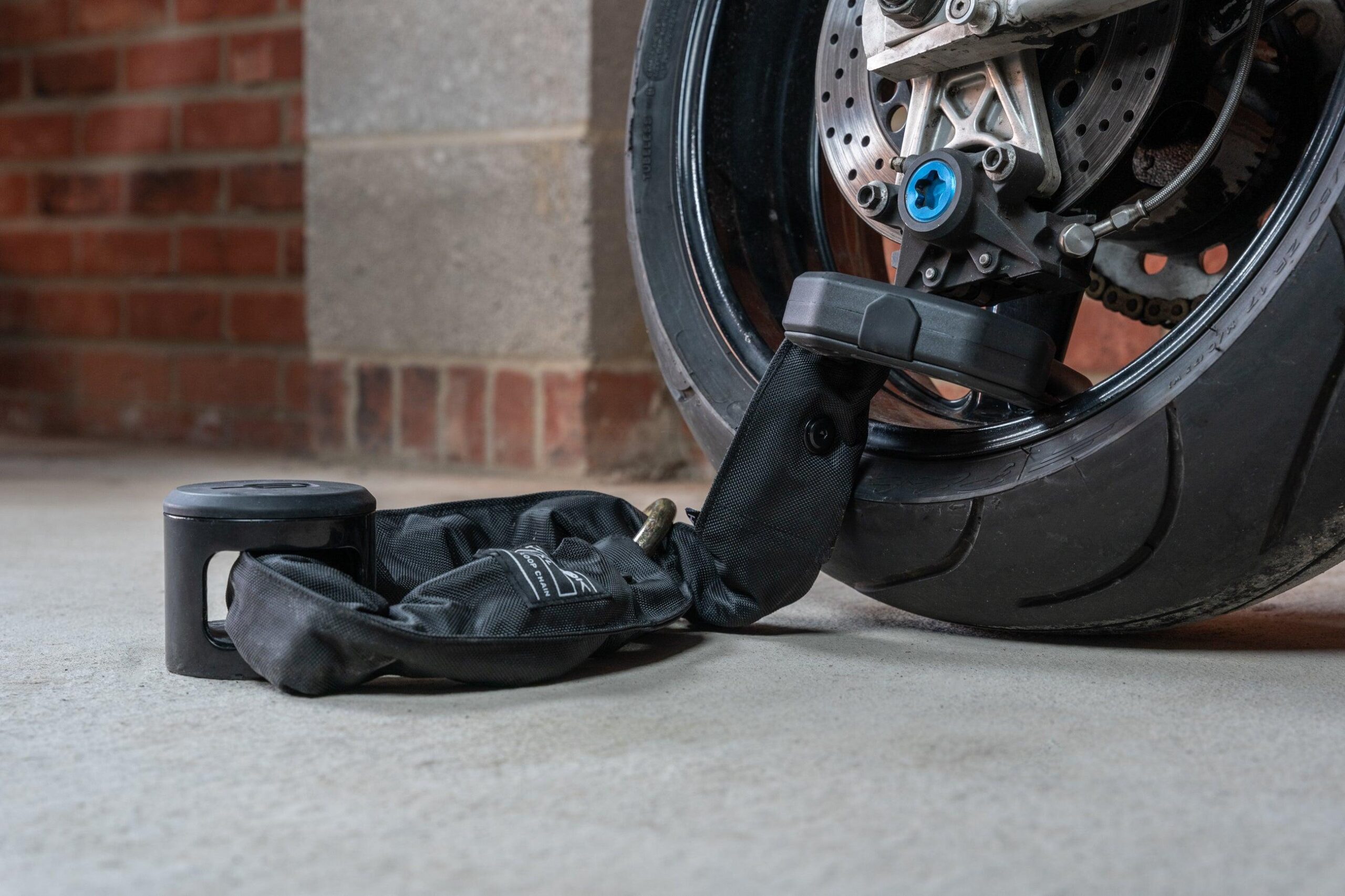
Motorcycles offer convenience, freedom, and an enjoyable way to travel, but their size and portability can also make them attractive targets for theft. A motorcycle parked outside a home, workplace, shopping center, or public event may be vulnerable if it is left unsecured. Even a locked garage may not provide complete protection without additional security measures.
Motorcycle theft prevention starts with making a bike harder to steal, easier to identify, and more likely to be recovered if it disappears. Combining physical locks, secure parking, electronic security devices, and accurate ownership records can help reduce risk. No single measure guarantees protection, but several layers of security can make a motorcycle a less convenient target.
Why Motorcycle Theft Prevention Matters
A stolen motorcycle can create financial and practical problems for its owner. Replacing the bike may be expensive, while recovering it can be difficult if identifying information and ownership records are incomplete. Accessories, helmets, luggage, and aftermarket components may also be lost.
Motorcycles can be stolen from public parking spaces, residential driveways, shared garages, and other locations. Some thefts involve opportunistic offenders, while others may target a particular model or valuable components. Riders should therefore develop consistent security habits instead of relying on the assumption that theft will not happen in a familiar neighborhood.
The National Insurance Crime Bureau’s motorcycle theft guidance recommends practical precautions such as locking the motorcycle, removing keys, parking carefully, and documenting identifying features.
 Use Multiple Locks and Physical Security Devices
A steering lock is useful, but it should not be the only security measure protecting a motorcycle. A determined thief may be able to defeat a single lock or move a bike that is not secured to a fixed object.
Consider combining several suitable devices:
- Disc lock: Attaches to a brake disc and prevents the wheel from rotating normally.
- Heavy-duty chain: Can secure the motorcycle’s frame or rear wheel to an immovable anchor.
- Ground anchor: Provides a fixed attachment point in a suitable garage or parking area.
- Steering lock: Adds another barrier against unauthorized movement.
- Alarmed lock: Can produce an audible warning if someone tampers with the motorcycle.
Choose reputable security devices appropriate for your motorcycle and storage location. When using a chain, keep it taut and elevated from the ground where practical, and secure the bike to a genuinely fixed object. Follow the lock manufacturer’s instructions to avoid damaging the motorcycle.
Choose Safer Parking Locations
Where a motorcycle is parked can affect how easily someone can approach, move, or tamper with it. Whenever possible, choose a well-lit location with regular foot traffic, visible security cameras, or controlled access.
Avoid leaving a motorcycle in an isolated area for extended periods. If a designated motorcycle parking space offers security barriers or fixed anchors, use them when permitted. At home, consider whether the driveway, shared parking area, or garage allows strangers easy access to the bike.
Parking near a building entrance or in a location visible from occupied rooms may improve natural surveillance, although visibility alone is not enough. Always use physical security devices even when leaving the motorcycle for a short time.
Improve Garage and Home Security
Many owners assume a motorcycle is safe once it is inside a garage. However, an unlocked garage, an open door, or a weak access point may leave the bike vulnerable.
Keep garage doors closed and secured whenever possible. Inspect door locks, access doors, and windows, and consider motion-activated lighting or a suitable alarm. A ground anchor installed according to its instructions can provide an additional way to secure the motorcycle inside the garage.
If you share a garage or live in a building with communal parking, find out who can access the space. Avoid leaving keys in predictable locations, and do not assume that other residents or visitors will notice suspicious activity.
Consider Alarms, Immobilizers, and GPS Trackers
Electronic security can complement physical locks. An alarm may draw attention to tampering, while an immobilizer can prevent the motorcycle from starting without the correct authorization. Some motorcycles include factory-installed security features; others may support compatible aftermarket devices.
A GPS tracker may help an owner or authorized recovery service locate a motorcycle after theft. Before purchasing one, review battery requirements, subscription costs, coverage limitations, installation options, and how location information can be accessed.
Trackers have limitations. A device may lose signal, run out of power, or be disabled. Riders should not rely on GPS tracking as a substitute for locks and secure storage. If a tracker indicates that a stolen motorcycle is moving, provide the information to law enforcement rather than attempting to recover the bike personally.
Use a Motorcycle Cover
A motorcycle cover conceals the bike’s make, model, and some of its distinctive features. This may make it less noticeable to someone looking for a particular motorcycle. A cover can also protect the bike from dust and weather when used appropriately.
A cover is not a lock and should never be treated as complete theft protection. Secure the motorcycle before covering it, and choose a cover that fits properly without creating unnecessary problems in windy conditions. Where appropriate, use a cover designed to work with your security setup.
Protect Your Keys and Personal Information
Never leave the ignition key in the motorcycle, even if you are stepping away briefly. Keep spare keys in a secure location and avoid hiding them in obvious places near the bike. If a key is lost or you suspect someone has copied it without permission, ask a qualified dealer or locksmith about the appropriate security options for your model.
Be careful about sharing information that reveals where a motorcycle is stored or when it will be unattended. Public posts showing a valuable bike, its parking location, and a predictable travel schedule can expose information that owners may prefer to keep private.
When selling a motorcycle, confirm payment has cleared before handing over the keys and ownership documents. Be cautious of suspicious transactions and keep records of the sale.
Record Your Motorcycle’s Identifying Details
 Accurate records can help demonstrate ownership and support a theft report. Keep a secure record of the motorcycle’s vehicle identification number (VIN), registration details, make, model, color, and distinguishing features.
Photograph the motorcycle from several angles, including unique accessories, existing marks, and modifications. Store copies of receipts and ownership documents in a safe place away from the motorcycle. Avoid leaving original documents in a storage compartment where they could be taken with the bike.
Where available and lawful, security marking may help identify components if they are recovered. Do not alter, remove, or obscure the motorcycle’s VIN or other legally required identifiers.
Review Your Motorcycle Insurance
Security measures can reduce risk, but they cannot eliminate it. Reviewing your insurance policy is another important step in protecting the financial value of your motorcycle.
Coverage varies by provider and policy. Liability-only insurance generally addresses covered responsibilities to other parties rather than theft of your own motorcycle. Comprehensive coverage may cover theft, subject to the policy’s terms, exclusions, limits, and deductible.
Check whether your policy covers aftermarket accessories, luggage, custom parts, and equipment stored with the motorcycle. Keep receipts and photographs that document valuable additions. For more information, read our guide to motorcycle insurance coverage.
Be Careful When Buying a Used Motorcycle
Theft prevention also involves making sure a motorcycle is legitimate before purchasing it. A suspiciously low price, inconsistent paperwork, altered identification markings, or a seller who cannot demonstrate ownership may be warning signs.
Compare the VIN on the motorcycle with the documents provided by the seller. Verify ownership through the appropriate official channels in your area, and arrange a professional inspection if anything appears unusual. Do not proceed with a purchase if the seller cannot reasonably establish the motorcycle’s identity and ownership history.
These checks can help buyers avoid stolen property and potential financial or legal complications.
What to Do If Your Motorcycle Is Stolen
If you discover that your motorcycle has been stolen, contact local law enforcement promptly and follow the reporting instructions provided. Do not confront a suspected thief or put yourself in danger attempting to recover the bike.
Prepare the motorcycle’s VIN, registration details, photographs, distinguishing features, and the location and approximate time it was last seen. If you have a tracker, share relevant information with the authorities. Notify your insurer and follow its reporting and documentation requirements.
Keep copies of report numbers, correspondence, and any additional information that may help establish the loss. If you later receive information about the motorcycle’s location, pass it to law enforcement instead of attempting a private recovery.
Create a Consistent Motorcycle Security Routine
Effective motorcycle theft prevention depends on habits that are easy to repeat. Before leaving the bike, remove the key, engage the steering lock, use a suitable physical lock, and secure the motorcycle to a fixed anchor whenever practical.
At home, keep storage areas secured and check that alarms or trackers are functioning as intended. Review your ownership records and insurance coverage periodically, especially after adding valuable accessories or changing where you park.
For more related motorcycle ownership guidance, explore our articles on motorcycle maintenance practices and our motorcycle injury prevention resources.
Conclusion
Protecting a motorcycle from theft requires more than a steering lock or a secure-looking parking spot. Combining physical locks, careful parking, home security, electronic devices, identifying records, and suitable insurance creates a stronger overall protection plan.
No system can guarantee that a motorcycle will never be stolen. However, consistent security habits can make theft more difficult, support identification, and improve preparedness if a loss occurs. A few extra steps each time you park can help protect your motorcycle and the investment it represents.