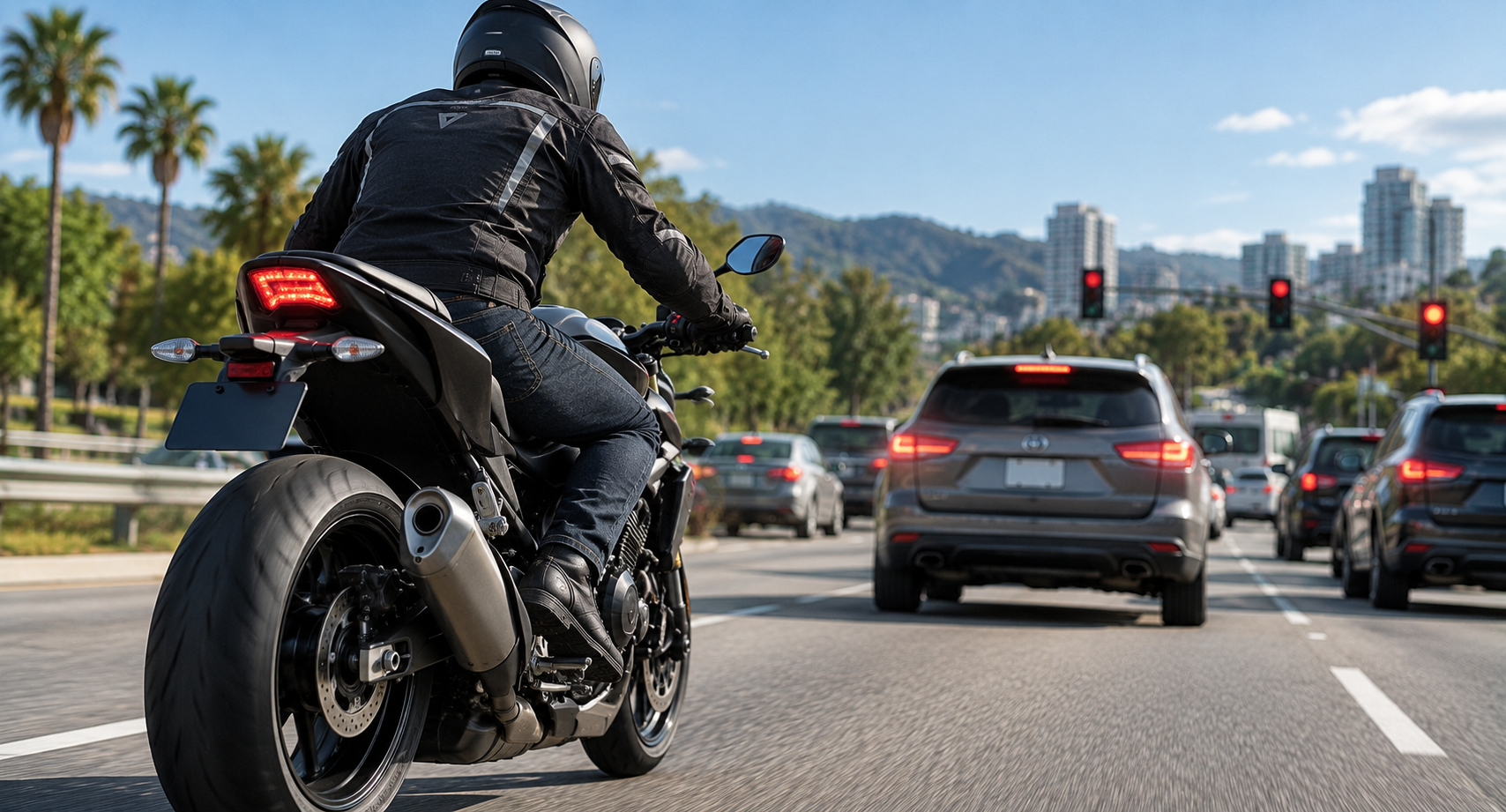
Motorcycle technology continues to evolve, giving riders new tools that can improve awareness, convenience, and communication on the road. One of the most useful advancements is the motorcycle communication system, which allows riders to connect with passengers, other riders, and navigation devices while keeping their attention focused on riding.
Communication systems are no longer limited to group rides. Many riders now use Bluetooth helmet devices for navigation instructions, hands-free calls, and important audio alerts. When used correctly, these systems can support safer riding habits by reducing distractions and improving access to information.
However, technology should always support good riding practices rather than replace awareness. Riders must continue scanning traffic, monitoring road conditions, and making safe decisions while using communication devices.
Understanding Motorcycle Communication Systems
Motorcycle communication systems are electronic devices designed to provide audio communication through a rider’s helmet. Most modern systems use Bluetooth technology to connect riders with smartphones, GPS devices, and other communication units.
Common features include:
- Bluetooth connectivity
- Rider-to-rider communication
- Passenger communication
- Voice navigation instructions
- Hands-free phone operation
- Music and audio controls
The Bluetooth Special Interest Group provides information about Bluetooth technology standards used in many wireless communication devices.
Bluetooth Helmet Communication
 Bluetooth helmet systems are among the most popular communication options for motorcyclists. These devices attach to the outside of the helmet while speakers and microphones are positioned inside.
A Bluetooth system allows riders to receive navigation instructions without looking down at a phone or GPS device. This can help riders maintain focus on the road while still receiving important route information.
For group riders, Bluetooth communication allows members to share information about traffic, road conditions, or upcoming stops.
Intercom Systems for Riders and Passengers
Communication between riders and passengers can improve comfort and coordination. Without a communication system, riders and passengers may struggle to understand each other because of wind noise and engine sounds.
Helmet intercom systems allow passengers to provide important information or ask questions without distracting the rider through physical movements or gestures.
Clear communication can make longer rides more comfortable and organized.
How Communication Systems Improve Rider Awareness
A major benefit of motorcycle communication technology is improved access to information. Riders can receive important updates without removing their hands from the handlebars or taking their eyes away from the road.
Receiving Navigation Instructions
Navigation is one of the most common uses for motorcycle communication systems. Voice directions allow riders to follow routes without constantly checking a mounted phone or GPS screen.
This can be especially helpful when riding through unfamiliar areas where stopping frequently to check directions may not be practical.
Riders should still plan routes before riding and avoid becoming overly dependent on navigation technology.
Reducing Unnecessary Distractions
Communication systems can reduce certain distractions by allowing riders to manage calls, navigation, and audio through voice commands.
However, riders should use these features carefully. Complex interactions with devices while riding can still reduce attention and create safety concerns.
Maintaining Focus on the Road
The purpose of communication technology should be to simplify tasks, not create additional distractions. Riders should set up devices before starting their trip and avoid adjusting settings while moving.
A properly configured communication system allows riders to focus more attention on traffic, road hazards, and surrounding vehicles.
How Communication Helps Group Riding Safety
Group motorcycle rides require coordination between multiple riders. Communication systems can help groups maintain safer riding practices by allowing riders to share information quickly.
Sharing Road Information
Riders can warn others about hazards such as:
- Traffic congestion
- Road debris
- Changing weather conditions
- Unexpected stops
- Route changes
This information can help other riders prepare and respond more smoothly.
Warning Other Riders About Hazards
When riding in groups, hazards may not be visible to every rider immediately. A communication system allows the first rider who notices a problem to alert others.
This creates better coordination and reduces confusion within the group.
Improving Group Coordination
Communication systems also help groups manage fuel stops, changes in speed, and unexpected route adjustments.
Better coordination can reduce sudden movements and improve the overall riding experience.
 Choosing the Right Motorcycle Communication System
Not every communication system is the same. Riders should consider their needs, riding style, and motorcycle type before choosing a device.
Audio Quality
Clear audio is important, especially at highway speeds where wind noise can interfere with communication. Quality speakers and microphones can make conversations easier to understand.
Battery Life
Long-distance riders should consider battery performance. A system that loses power during a trip may become inconvenient when navigation or communication is needed.
Weather Resistance
Motorcycles are exposed to changing conditions. Riders should choose communication systems designed to handle normal outdoor conditions such as rain and dust.
Helmet Compatibility
Communication devices should fit securely with the rider’s helmet design. Proper installation helps maintain comfort and prevents the device from interfering with helmet use.
Common Mistakes When Using Communication Devices
Although communication systems can provide benefits, improper use can create new distractions.
Using Excessive Volume Levels
Audio should never block important environmental sounds. Riders need to remain aware of horns, emergency vehicles, traffic movement, and other warnings.
Over-Reliance on Technology
Technology should assist riders, not replace awareness. Riders must continue using mirrors, scanning techniques, and defensive riding habits.
For additional safety strategies, visit our motorcycle injury prevention resources.
Adjusting Devices While Riding
Changing settings, searching for features, or handling a phone while riding can create unnecessary risks. Riders should complete all adjustments before starting their trip.
Future Motorcycle Safety Technology
Motorcycle technology continues to advance with new systems designed to improve communication and awareness.
Smart Helmets
Future helmets may include integrated communication, navigation displays, cameras, and additional safety features.
Connected Motorcycle Systems
Connected motorcycles may allow bikes to communicate with other vehicles and infrastructure to provide additional safety information.
Vehicle-to-Vehicle Communication
Future technology may help motorcycles share information about traffic conditions, hazards, and nearby vehicles.
Conclusion
Motorcycle communication systems provide valuable tools that can improve awareness, navigation, and rider coordination. When used responsibly, these devices can support safer riding habits and make motorcycle travel more convenient.
However, communication technology should always complement good riding skills. Riders should continue practicing awareness, maintaining safe habits, and focusing on the road.
For more motorcycle safety guidance, read our article about motorcycle accident safety steps and learn more about protective motorcycle gear.