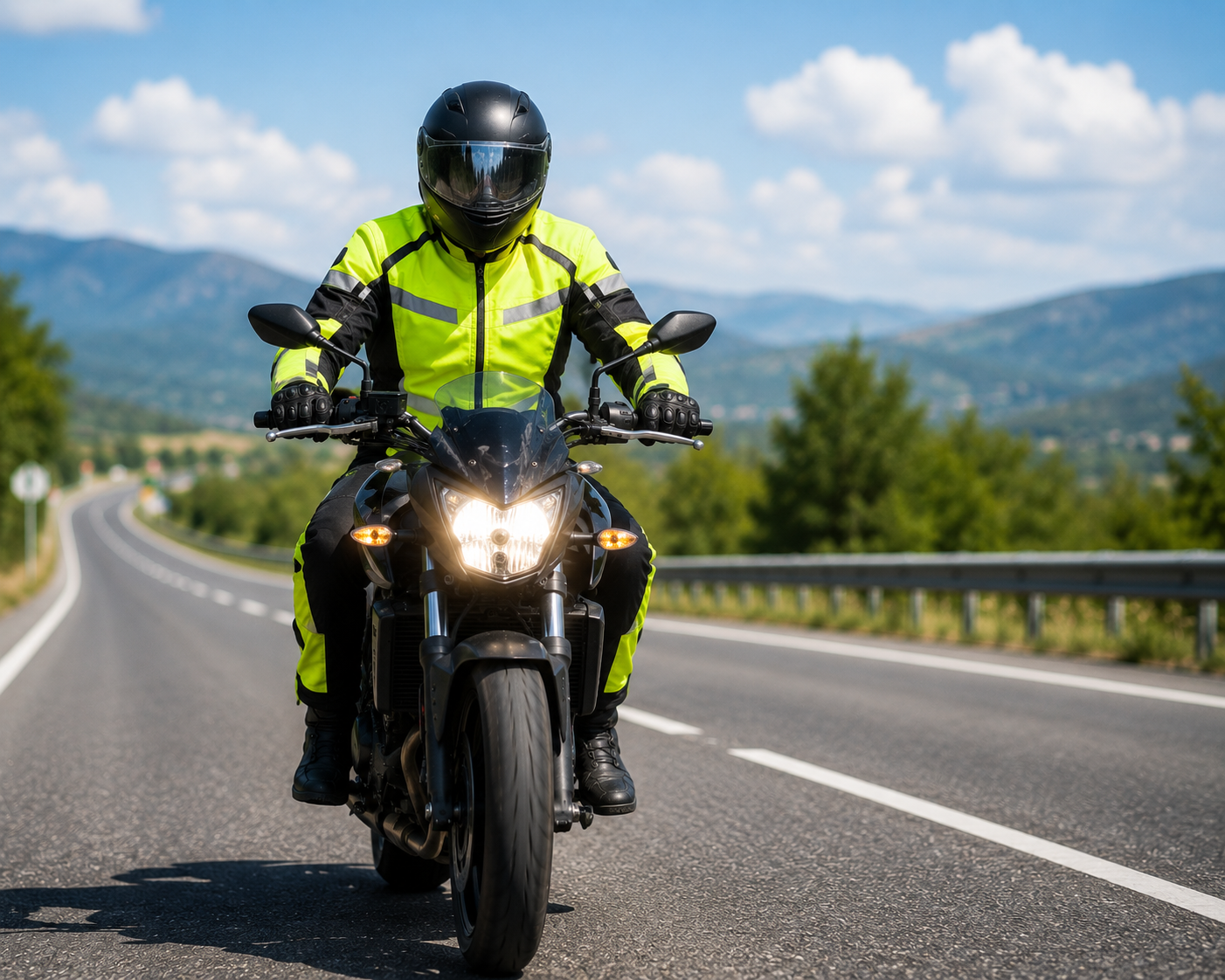
Motorcycle visibility is one of the most critical factors for rider safety. Many collisions occur simply because a rider was not seen in time by another driver. Unlike cars, motorcycles occupy a smaller visual footprint, making them harder for other road users to notice, especially in heavy traffic, low light, or complex urban environments. Improving visibility reduces the likelihood of accidents and enhances the rider’s confidence on the road.
Why Motorcycle Visibility Matters
According to data from the NHTSA, a significant percentage of motorcycle accidents involve other vehicles failing to detect the motorcyclist. This is often due to blind spots, poor lighting conditions, or distracted driving. Riders who take proactive measures to be seen—through clothing, lights, and strategic positioning—dramatically reduce the risk of being involved in an accident.
Visibility is crucial not just at night but during daylight hours. Even a rider in bright sunlight can be obscured by shadows, roadside signage, or other vehicles. Being seen early gives other drivers more time to react and avoids sudden maneuvers that could result in a crash.
Using Reflective Gear and Bright Colors
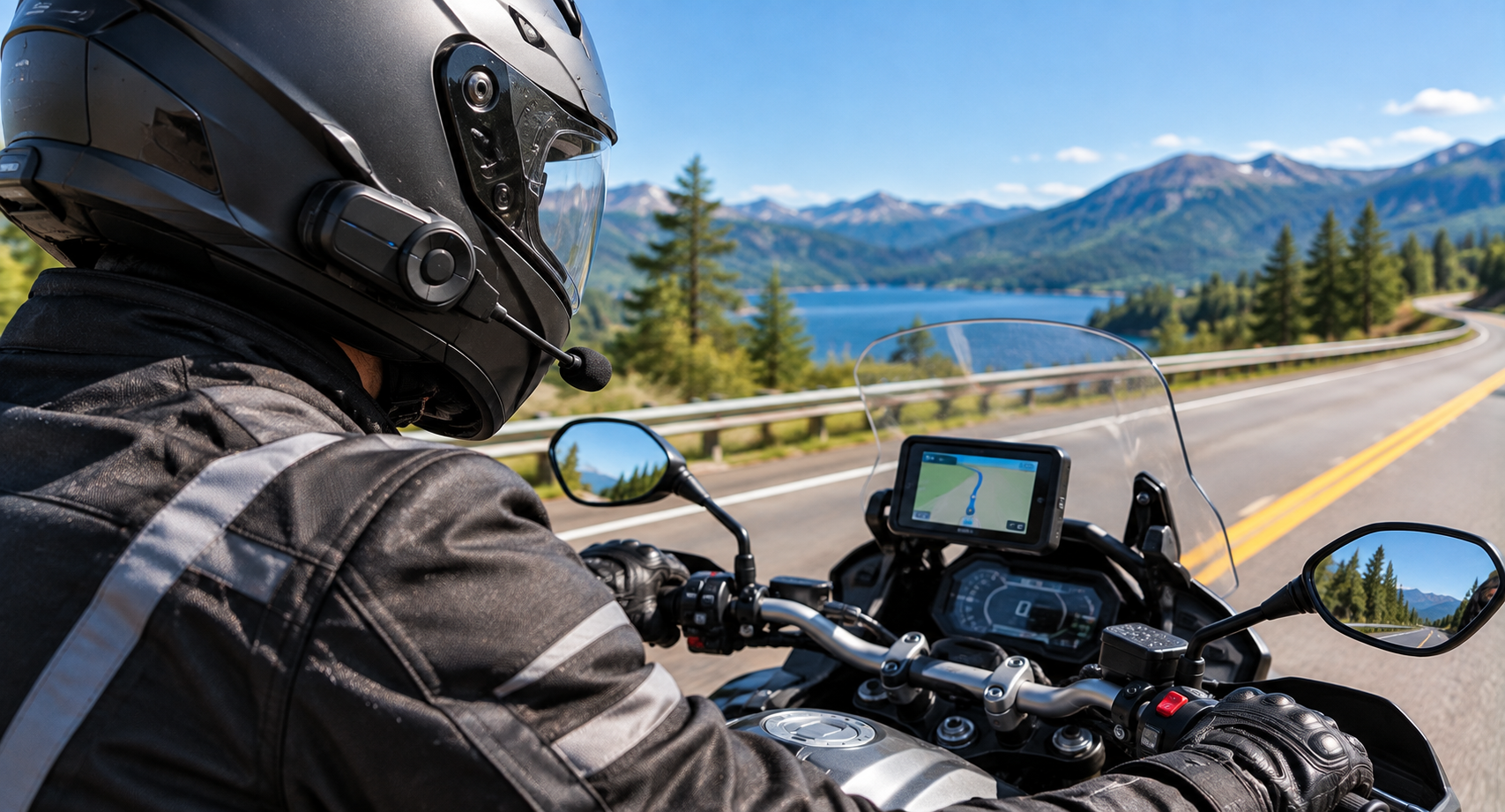
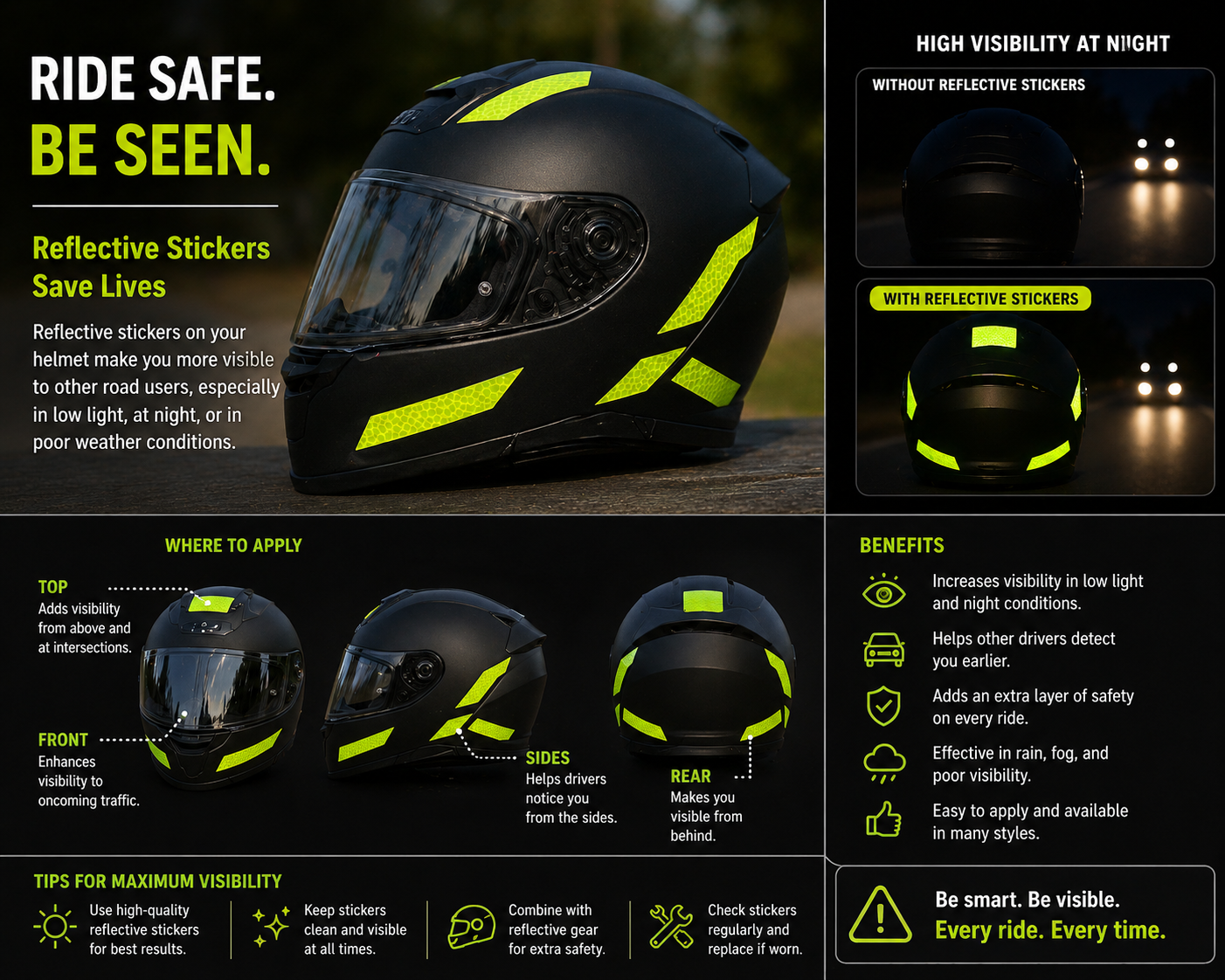
One of the simplest ways to improve visibility is through reflective and high-visibility clothing. Jackets, helmets, gloves, and boots in fluorescent colors help riders stand out. Reflective tape on jackets and helmets reflects headlights, making the rider noticeable at night or in poor weather conditions.
Choosing the right colors and patterns can further enhance recognition. Neon yellow, lime green, or bright orange are most effective in daylight, while reflective strips increase visibility in darkness. For more safety advice, riders can review our protective gear guide.
Lights and Riding Position Strategies
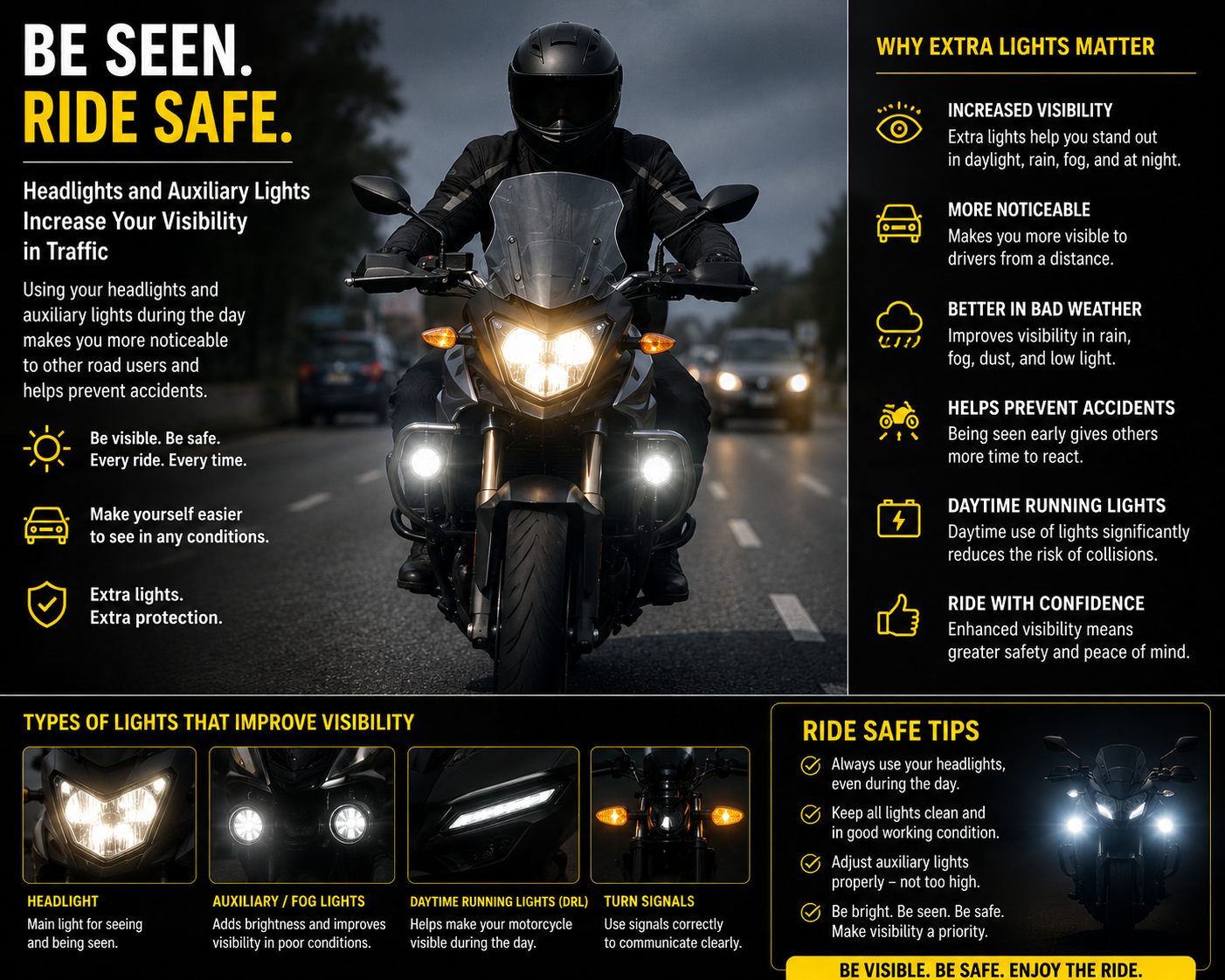
Lights are another key factor in visibility. Headlights should always be on, even during the day, to increase the chance that oncoming traffic notices the motorcycle. Auxiliary lights, including bright LED daytime running lights, can improve detection at a distance. Brake lights and turn signals must be functional and bright.
Riders should also use lane positioning strategically. Riding in a lane position that avoids blind spots and allows others to see the motorcycle in mirrors is critical. Avoid weaving unnecessarily but choose a position that maximizes visibility to drivers ahead and beside the motorcycle.
Situational Awareness and Defensive Riding
Visibility isn’t just about being seen; it’s also about being aware of your surroundings. Riders should scan intersections, monitor vehicle mirrors, and anticipate sudden lane changes. Defensive riding includes predicting where other vehicles may move and adjusting speed or lane position to avoid collisions.
Situational awareness helps riders avoid common accident scenarios. For example, a car turning left across traffic may not see a motorcycle approaching. By keeping a safe following distance, being in a visible lane position, and using headlights, the rider reduces risk.
Additional Visibility Tips
- Wear reflective tape on helmets and jackets.
- Use bright colored gloves and boots for hand and foot visibility.
- Install auxiliary or accent lighting on the motorcycle to increase contrast with background traffic.
- Ride in daylight when possible, or use high-visibility gear at night.
- Maintain a straight, predictable path to make your movement obvious to others.
- Use horn or lights to alert other drivers when necessary.
Why Visibility Still Matters in Daylight
Many riders believe that being visible is only necessary at night. In reality, crashes during daylight hours are common, often due to drivers failing to spot motorcycles quickly enough. Wearing bright gear, using headlights, and avoiding hidden positions behind larger vehicles helps reduce these accidents.
Weather and Visibility
Weather can greatly reduce visibility. Rain, fog, and glare from wet pavement or low sunlight can make motorcycles harder to see. Using bright, reflective clothing and auxiliary lights, along with slower speeds and increased spacing, improves safety in adverse conditions.
Legal Considerations
Some jurisdictions require motorcycles to have headlights on at all times. Failing to use proper lighting can lead to fines and increases crash risk. Riders should also ensure turn signals and brake lights are functional and clearly visible to other drivers. Observing local regulations regarding lighting and reflective gear can enhance both safety and legal compliance.
Conclusion
Motorcycle visibility is essential to reducing accident risk. By combining reflective gear, bright clothing, functional lights, and strategic lane positioning, riders can dramatically increase how easily they are seen by other drivers. Situational awareness, defensive riding, and planning for weather conditions further enhance safety. Visibility is not optional; it is a critical aspect of every safe motorcycle ride.
For more detailed tips on injury prevention and visibility, check our Injury Prevention category. For guidance on handling accident scenes safely, see Motorcycle Accident Scene Steps.