Riding a motorcycle requires constant focus, quick reflexes, and physical endurance. Fatigue can severely impair these abilities, increasing the likelihood of accidents. Unlike drivers of cars, motorcyclists have less protection in the event of a crash, making fatigue-related accidents particularly dangerous. Understanding the causes, signs, and prevention of rider fatigue is critical for every motorcyclist.
Fatigue doesn’t just affect mental sharpness—it also impacts physical coordination. The subtle balance needed to operate a motorcycle can be compromised when muscles tire. Even small lapses in concentration can lead to serious consequences, especially at highway speeds where reaction time is limited.
What Is Motorcycle Fatigue?
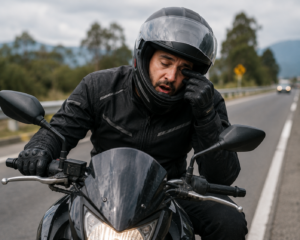
Motorcycle fatigue is a state of physical or mental exhaustion that reduces a rider’s ability to operate the motorcycle safely. Fatigue can result from long hours on the bike, inadequate sleep, dehydration, poor nutrition, or even prolonged stress. It affects reaction time, situational awareness, and decision-making, all of which are crucial for safe riding.
Fatigue is cumulative. Even a few hours of riding can start to impair judgment if the rider has not rested adequately beforehand. Extended rides, especially on highways or in heavy traffic, amplify the effects of fatigue. Research from the NHTSA indicates that tired riders are more likely to misjudge distances, fail to notice hazards, and respond more slowly to sudden events.
Causes of Rider Fatigue
Several factors contribute to fatigue on a motorcycle:
- Long rides without breaks: Constant vigilance for extended periods tires both the mind and body, leading to slower reflexes and increased risk of error.
- Poor sleep or rest: Riding on less than a full night’s sleep reduces cognitive and motor performance, making it harder to anticipate hazards.
- Physical exertion: Holding balance, steering, and controlling the throttle over long distances consumes energy and increases muscle fatigue.
- Weather conditions: Riding in heat, cold, rain, or wind increases physical strain and accelerates fatigue. Even moderate weather can dehydrate a rider if proper hydration is not maintained.
- Poor hydration or nutrition: Low blood sugar or dehydration reduces focus and energy levels. Eating heavy, greasy foods before riding can also make a rider sluggish.
- Mental stress: Concentration demands, traffic anxiety, or personal stress can mentally fatigue a rider, further impairing decision-making.
Signs of Rider Fatigue
 Recognizing the signs of fatigue is essential to prevent accidents. Common indicators include:
- Frequent yawning and heavy eyelids
- Difficulty keeping the motorcycle in a straight line or maintaining lane position
- Delayed reactions to traffic signals, obstacles, or changing road conditions
- Increased irritability, lack of focus, or mental wandering
- Micro-sleeps or nodding off briefly while riding, which are especially dangerous at higher speeds
Even subtle signs, like missing a turn signal or slightly drifting within a lane, can indicate the onset of fatigue. Riders should monitor themselves actively and err on the side of caution, stopping to rest before continuing a journey.
How Fatigue Impacts Reaction Time and Control
Fatigue slows reaction time, making it harder to respond to sudden events such as a car braking abruptly, debris in the lane, or a vehicle changing lanes unexpectedly. Motorcycles require precise control over the throttle, brakes, and clutch. Fatigued riders may struggle to perform these actions smoothly, increasing the risk of skidding or losing balance.
Even minor reductions in reaction speed can be dangerous. At highway speeds, a delay of just one second can translate to dozens of feet traveled before braking begins. This can be the difference between avoiding a collision and being involved in a serious accident. Studies from the CDC highlight that fatigue is a critical factor in motorcycle crashes.
Loss of Situational Awareness
Fatigue reduces a rider’s ability to notice hazards. Vehicles in blind spots, sudden traffic changes, road debris, or pedestrians may go unnoticed. Mental lapses can lead to delayed decision-making, misjudging speed or distance, and unsafe maneuvers. Riders must constantly scan mirrors, check intersections, and anticipate the actions of other drivers. Fatigue impairs this vigilance, increasing accident risk.
Physical Impairments from Fatigue
Muscle stiffness, hand tremors, and poor coordination are common physical effects of fatigue. Controlling a motorcycle with precision becomes more difficult as muscles tire. Long rides without rest or stretching can result in cramping or stiffness, reducing the ability to maneuver effectively during emergencies. This is particularly true on motorcycles that require more manual control, such as sport bikes.
Long Ride Risks
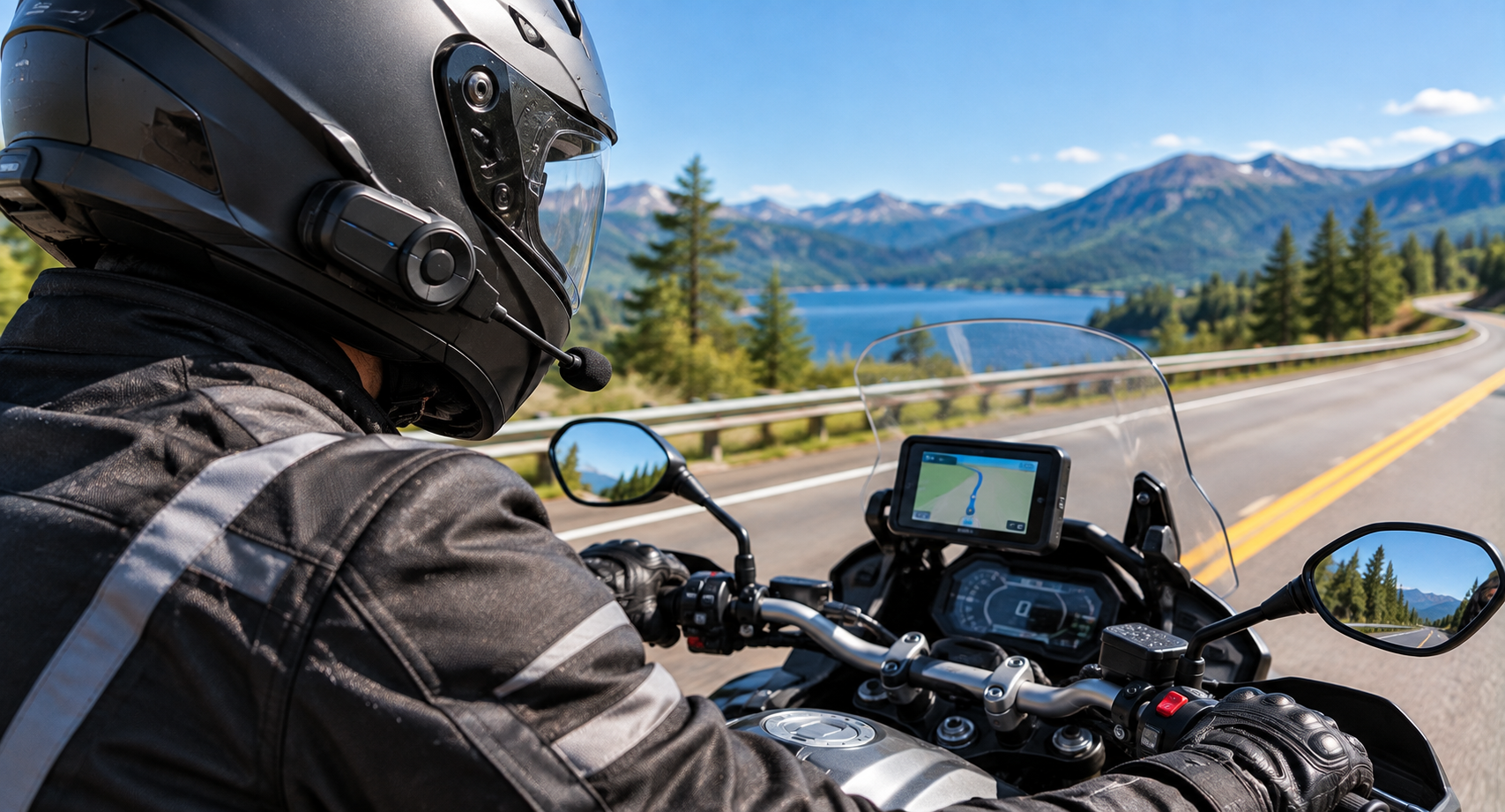
Motorcycle fatigue is more pronounced on long trips, especially when covering hundreds of miles in a day. The monotony of highway riding, wind resistance, and the need for constant balance create cumulative fatigue. Planning rest stops every 60–90 minutes can help mitigate these risks. Riders should also vary posture, stretch frequently, and adjust seat and handlebar positions for comfort.
Preventing Fatigue on Rides
Riders can reduce fatigue and stay alert by following these guidelines:
- Take breaks every 60–90 minutes to rest and stretch. Short naps can restore alertness.
- Stay hydrated and eat light, balanced meals to maintain energy levels.
- Get adequate sleep (7–8 hours) before long rides.
- Wear ergonomic gear to reduce strain on muscles and joints.
- Ride with a partner or group to stay alert and maintain focus.
- Adjust riding posture to prevent stiffness and discomfort.
- Listen to your body—if feeling drowsy, stop rather than risk continuing fatigued.
Fatigue-Reducing Gear and Equipment
 Some gear can help combat fatigue. Padded seats, gloves with proper support, and wind-resistant clothing reduce strain. Anti-fatigue gloves help with hand control over long rides. Bright, reflective clothing and helmet-mounted visors reduce eye strain by improving visibility in sunlight or low light conditions. Some riders also use motorcycle back supports or ergonomic grips to maintain comfort on long journeys.
When to Stop Riding
Even with precautions, riders should listen to their bodies. If a rider experiences yawning, blurry vision, heavy eyelids, or difficulty maintaining lane position, it is time to pull over. Riding while exhausted is extremely dangerous. Pulling over, taking a short nap, drinking water, or consuming a light snack can restore alertness and reduce accident risk. Always err on the side of safety.
Managing Fatigue in Daily Commuting
Rider fatigue isn’t just a concern for long-distance trips. Daily commuters who ride early in the morning or after work may face cumulative fatigue from work, school, or family responsibilities. Scheduling rides when alert, minimizing distractions, and avoiding riding during sleepy hours (e.g., early morning, post-lunch dip) helps reduce risks. Even short trips can become risky if the rider is sleep-deprived or distracted.
Conclusion
Motorcycle fatigue is a major but often overlooked factor in accidents. It affects reaction time, situational awareness, physical control, and judgment. Recognizing the signs, taking regular breaks, staying hydrated, using fatigue-reducing gear, and adjusting riding posture are critical for safe riding. Fatigue can happen to any rider, regardless of experience, so vigilance is key. Understanding and mitigating fatigue can save lives, reduce accident severity, and improve the overall riding experience.
For more tips on injury prevention and rider safety, explore our Injury Prevention category, and for guidance on handling accidents if they occur, see Motorcycle Accident Scene Steps.