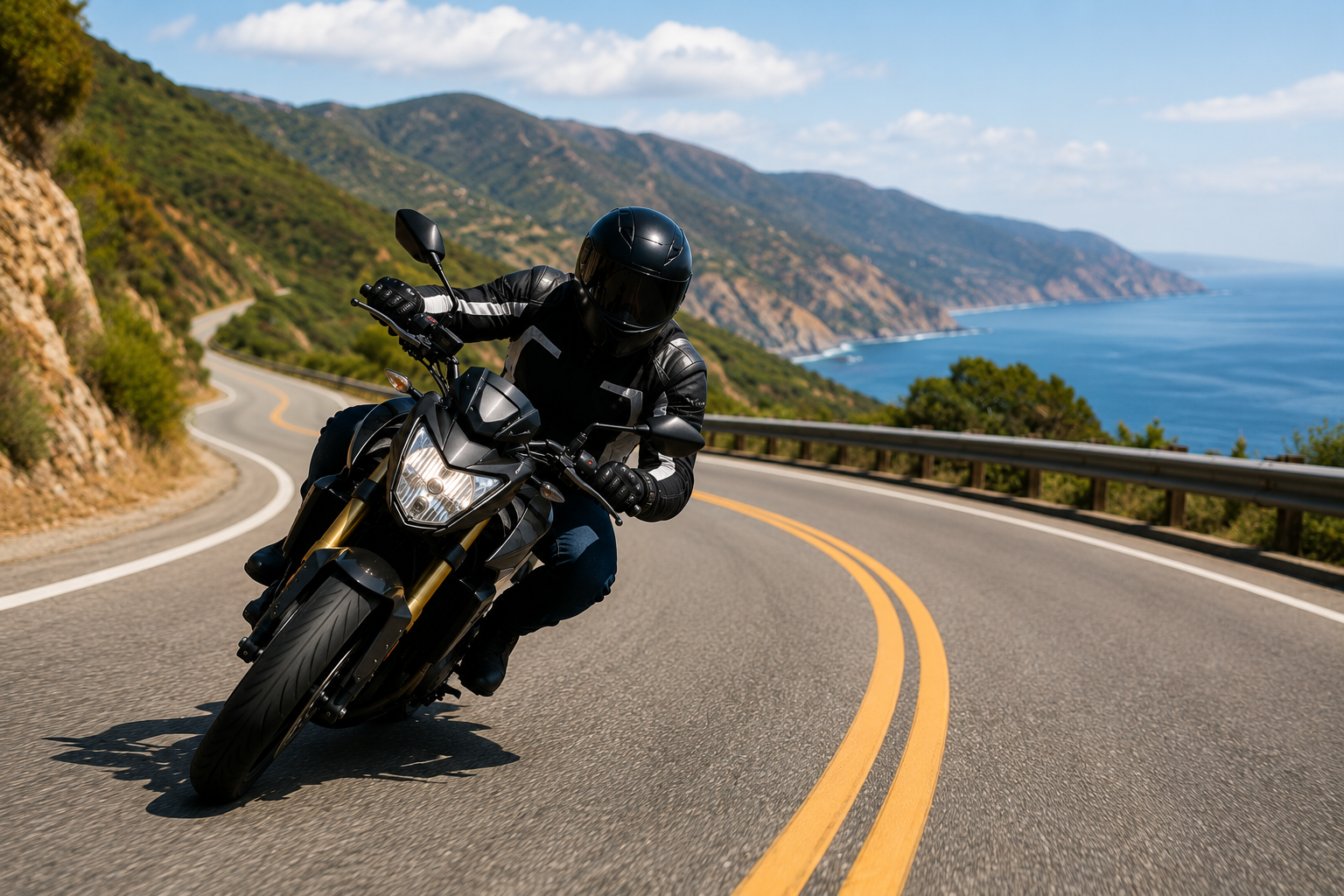
Cornering is one of the most challenging skills for any motorcyclist. Unlike cars, motorcycles require precise weight distribution, throttle control, and body positioning to navigate curves safely. Poor cornering technique can easily lead to loss of traction or balance, increasing the risk of accidents.
Understanding the dynamics of a motorcycle during turns is essential for both new and experienced riders. Factors such as speed, lean angle, road conditions, and body positioning all influence how a motorcycle responds during a curve. Mastering cornering techniques improves safety, control, and overall riding confidence.
Understanding Motorcycle Dynamics in Curves
When entering a curve, the motorcycle’s lean angle determines the path it will follow. Leaning too little or too much can result in sliding or running wide off the road. Riders must maintain a smooth throttle and use counter-steering to initiate and sustain the lean angle safely.
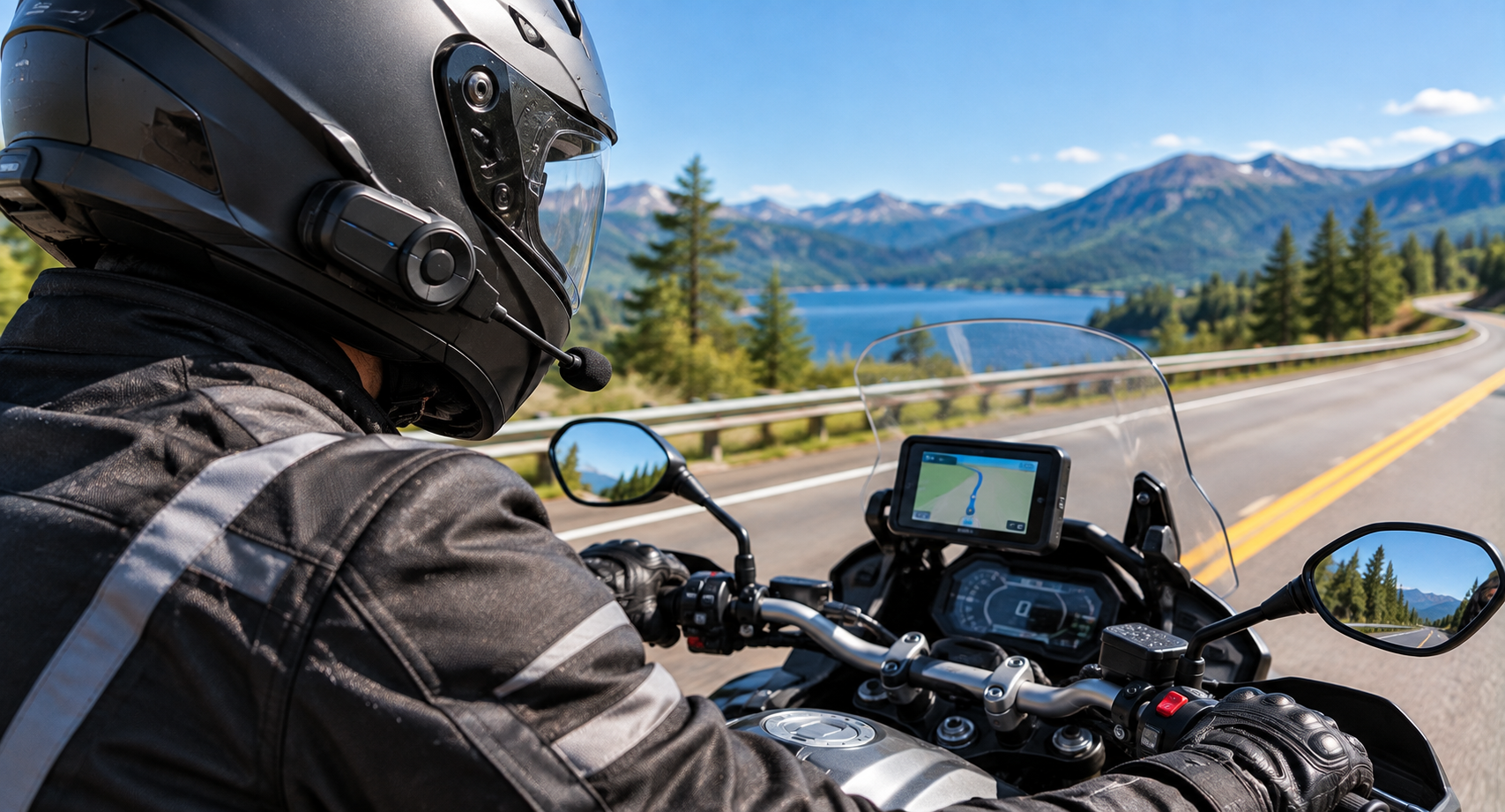
The center of gravity shifts during turns, and riders must position their bodies to help balance the bike. Keeping your head and eyes focused on the exit of the turn is critical for smooth navigation. Anticipating the road ahead allows for subtle adjustments in lean and speed.
Proper Body Position for Cornering
 Body position is one of the most overlooked aspects of cornering safely. Riders should:
- Keep their torso aligned with the motorcycle
- Lean slightly into the curve without overextending
- Maintain knees gripping the tank lightly
- Position feet firmly on the footpegs, with balls of feet supporting balance
Good body positioning helps maintain stability, reduces strain on the motorcycle, and improves traction through the curve.
Choosing the Correct Line Through Curves
The racing line concept is applicable for street riding as well. Enter the turn wide, apex near the inside of the curve, and exit wide. This technique maximizes visibility, reduces lean angle, and ensures smooth cornering. Always check for oncoming traffic and road hazards before choosing your line.
Lane positioning is essential. Staying out of the blind spots of other vehicles increases safety, and adjusting lane placement helps avoid debris, potholes, or wet patches on the road.
Speed Management and Braking
Speed control is critical before and during a turn. Entering a curve too fast increases the lean required to maintain the line, which can reduce traction and lead to sliding. Smooth braking before the turn, rather than mid-turn, helps maintain control.
Acceleration during the curve should also be gradual. Abrupt throttle changes can unsettle the motorcycle and affect traction, especially on wet or uneven surfaces.
Environmental Considerations
Road conditions, weather, and visibility all impact cornering. Wet pavement, gravel, sand, or road markings can reduce traction. Riders should adjust speed and lean angles based on surface conditions. Curves in low-light areas require extra caution to avoid hazards that may be difficult to see.
Advanced Cornering Techniques
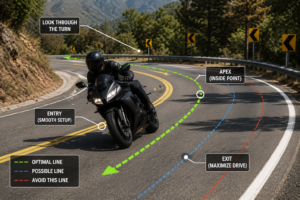 Experienced riders can use counter-steering, body lean, and throttle modulation to navigate curves efficiently. Counter-steering involves pushing the handlebar in the opposite direction of the turn to initiate a lean. This technique, when used correctly, enhances precision and control.
Weight distribution also plays a role. Moving your upper body slightly inside the turn while keeping lower body stable helps balance the motorcycle. Practicing these techniques in controlled environments is recommended before attempting high-speed curves.
Common Mistakes to Avoid
- Entering curves too fast
- Over-leaning or under-leaning
- Braking or accelerating abruptly mid-turn
- Ignoring road surface hazards
- Poor body positioning or looking at the wrong focus point
Conclusion
Mastering motorcycle cornering techniques requires awareness, practice, and attention to road and environmental conditions. Proper body positioning, speed control, lane choice, and gradual input on throttle and brakes all contribute to safer turns. Riders who understand these fundamentals enjoy improved confidence, smoother rides, and a significantly reduced risk of accidents.
For more safety tips and riding techniques, check our injury prevention resources and our protective gear guide.