Motorcycle maintenance is critical for safety, yet many riders unknowingly make mistakes that increase their risk of accidents. A motorcycle may look road-ready, but hidden issues such as worn tires, weak brakes, or improperly lubricated chains can lead to serious incidents. Understanding common maintenance errors can help riders prevent accidents and ensure their bikes remain safe to ride.
Tires and Wheels
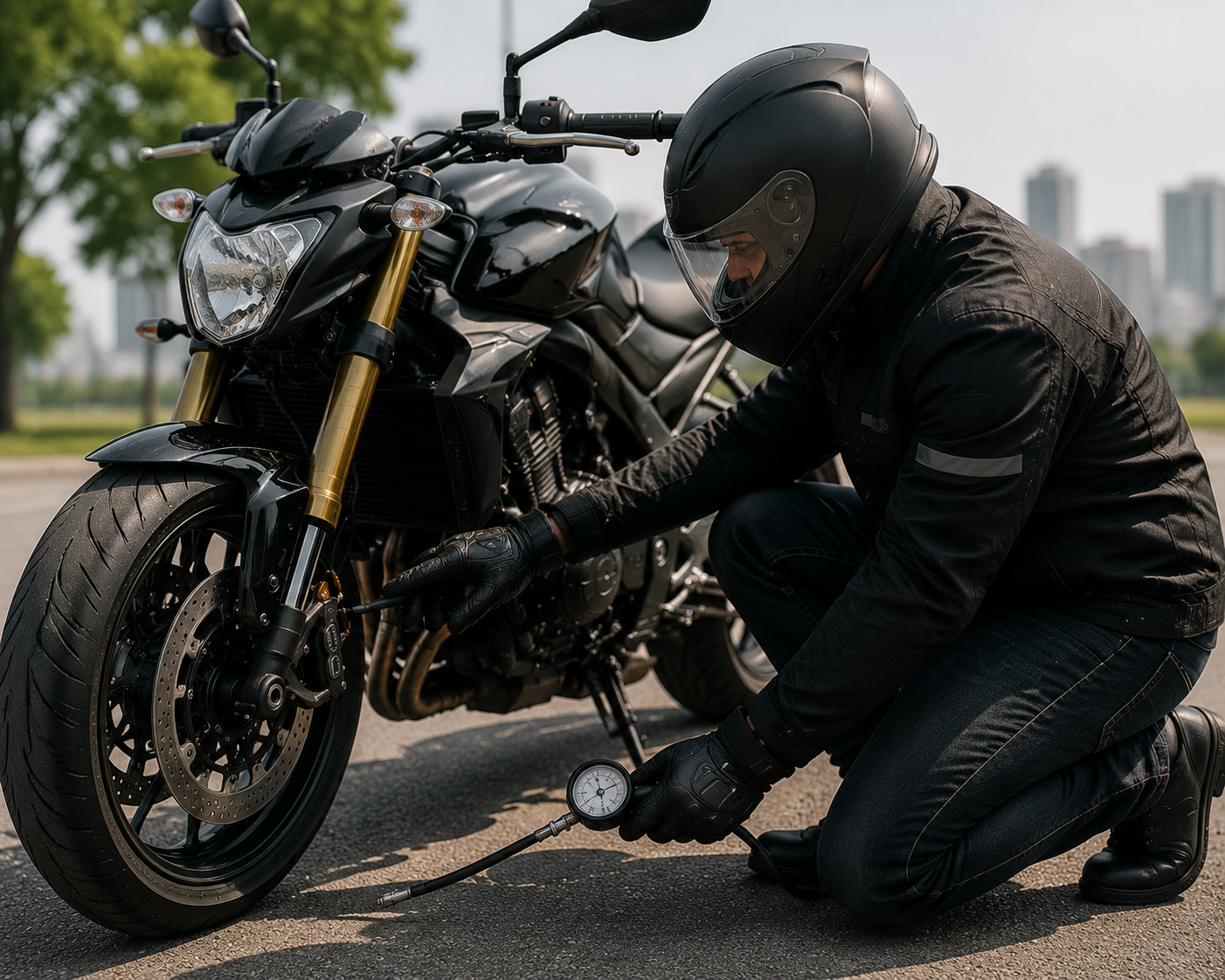
Worn or under-inflated tires are among the leading contributors to motorcycle accidents. Tires are the only part of the bike that contacts the road, so reduced grip can compromise braking, turning, and overall stability. Riders should regularly inspect tire tread depth, sidewall condition, and pressure before every ride. Using a reliable tire pressure gauge ensures the tires are within the manufacturer’s recommended range.
Many accidents occur because riders ignore signs of uneven wear, cracks, or embedded debris. Even minor damage can escalate at high speeds. For guidance on accident prevention, readers can review our injury prevention resources.
Brakes
Brakes are essential for safe riding. Neglecting brake inspections can lead to failure when it matters most. Riders should check both front and rear brakes for fluid levels, pad wear, and lever responsiveness. Spongy levers or unusual noises may indicate a problem requiring immediate attention.
Brake maintenance mistakes often result from delayed servicing or ignoring minor symptoms. Regularly bleeding brake lines, replacing worn pads, and checking master cylinders help maintain stopping power and prevent collisions.
Chains, Sprockets, and Drivetrain
 The motorcycle chain and sprockets transfer power from the engine to the rear wheel. Improper tension, lack of lubrication, or worn sprockets can cause sudden slippage or chain breakage, leading to loss of control. Riders should clean and lubricate the chain regularly, adjusting tension according to the owner’s manual.
Failing to maintain the drivetrain is a common oversight that can result in accidents, especially at high speeds or when cornering. Proper chain care also prolongs the lifespan of the bike’s components and ensures smooth operation.
Suspension and Steering
Suspension absorbs bumps and maintains tire contact with the road. Riders who ignore suspension checks risk reduced stability, uneven weight distribution, and difficulty controlling the bike. Inspect forks, shocks, and linkage for leaks, corrosion, and damage.
Steering head bearings and handlebars should be checked for free movement without play. Stiff or loose steering can compromise control, particularly during emergency maneuvers. Regular adjustments and lubrication help prevent accidents caused by unexpected handling issues.
Electrical System
A poorly maintained electrical system can affect lighting, signaling, and engine performance. Faulty headlights, brake lights, or turn signals reduce visibility and increase accident risk. Riders should inspect wiring, fuses, and battery health regularly. Ensuring the horn functions correctly is also crucial for alerting other road users.
Using high-quality connectors, avoiding water intrusion, and replacing aging components reduces the likelihood of sudden electrical failures. For more safety tips on visibility, read our protective motorcycle gear guide.
Fuel and Oil
Running low on fuel or using the wrong oil can compromise engine performance and reliability. Riders should check fuel levels before every ride and ensure the oil is at the correct level and grade for the motorcycle. Dirty or old oil can cause overheating, reduce engine lubrication, and increase wear on moving parts.
Regular oil changes, using quality fuel, and monitoring fluid levels can prevent mechanical failures that may cause accidents. Riders should also check coolant and hydraulic fluids, which affect engine performance and braking efficiency.
Lights and Indicators
Headlights, brake lights, and turn signals are critical for communication on the road. Failing to inspect or replace burnt-out bulbs can reduce visibility and increase crash risk, especially at night or in low-light conditions. Riders should clean lenses, replace damaged bulbs, and verify all indicators function correctly.
Common Mistakes Summary
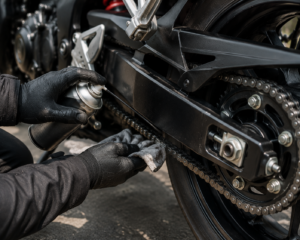 Many accidents could be prevented if riders followed a simple maintenance routine. Common mistakes include:
- Ignoring tire wear and pressure
- Neglecting brake inspections
- Failing to lubricate or adjust the chain
- Overlooking suspension and steering checks
- Neglecting electrical system maintenance
- Running on low fuel or old oil
- Not inspecting lights and indicators
How Maintenance Mistakes Increase Accident Risk
Improper maintenance can directly cause accidents. For example, worn tires reduce traction on wet roads, worn brakes extend stopping distance, and a loose chain can lock or derail. Even small oversights can compound during emergency maneuvers, leaving riders unable to respond effectively.
Mechanical failures at high speeds or during complex maneuvers increase the severity of crashes. Following a consistent maintenance schedule minimizes these risks and ensures riders can control their motorcycles in unexpected situations.
Preventive Maintenance Tips
Riders can prevent accidents by creating a routine maintenance checklist. Key practices include:
- Check tire pressure and tread before every ride
- Inspect brakes and clutch operation regularly
- Clean, lubricate, and adjust the chain
- Examine suspension and steering for wear or stiffness
- Test lights, signals, and horn functionality
- Monitor fuel, oil, coolant, and hydraulic fluids
- Keep a maintenance log to track repairs and inspections
Riding Safely After Maintenance
Even after performing maintenance, riders should conduct a brief pre-ride check. Verify brakes, throttle response, lights, horn, and chain tension. Conducting a short test ride in a safe area can confirm that all systems are functioning correctly before hitting traffic.
Conclusion
Regular motorcycle maintenance is essential for safety. Worn tires, neglected brakes, poorly lubricated chains, and overlooked suspension issues can lead to accidents. By following a routine inspection schedule, checking all critical components, and addressing issues promptly, riders can prevent avoidable crashes and enjoy safer rides. Remember, a few minutes of preventive care can save lives.
For more detailed safety tips and injury prevention advice, explore our Injury Prevention category. For guidance on handling accidents if they occur, see Motorcycle Accident Scene Steps.