When it comes to motorcycle accidents, understanding the concepts of liability and compensation is essential. These two factors often determine how much a victim can recover for their injuries, lost wages, and damages to property. This guide will explain the key aspects that affect these processes worldwide, providing clarity on how you may pursue compensation after an accident.
What is Motorcycle Liability?
 Motorcycle liability refers to the legal responsibility of the party at fault in an accident. It involves determining who caused the accident and who will be held accountable for the damages and injuries that result. Liability can fall on the motorcyclist, another driver, or even a third party, depending on the circumstances of the accident.
Factors Affecting Liability
- Driver Negligence: One of the most common reasons for liability is negligence. Negligence can arise when a driver fails to follow traffic laws, drives recklessly, or does not maintain proper awareness of road conditions. Whether it’s speeding, failing to signal, or not paying attention to the environment, negligence can often be the deciding factor in determining liability. Read more about risky driving behaviors.
- Road Conditions: Poorly maintained roads or hazardous conditions can also contribute to accidents. If roadways are riddled with potholes, lacking signage, or slippery due to weather conditions, liability could shift to the government entity or private property owner responsible for road maintenance. Learn more about roadway safety standards.
- Vehicle Defects: In some cases, defective motorcycle parts or improper vehicle maintenance can be a factor in the accident. If a part malfunctioned due to a design flaw or manufacturing defect, the manufacturer or the service provider may be held liable for the accident.
Understanding the Process of Determining Liability
When a motorcycle accident occurs, establishing liability is one of the first steps toward seeking compensation. The process typically includes a thorough investigation into the cause of the accident, which can involve the following steps:
- Gathering Evidence: This includes obtaining police reports, photos of the accident scene, statements from witnesses, and medical records. All this information is crucial in proving who was at fault in the accident. For more tips on evidence collection.
- Analysis of Traffic Laws: Traffic laws play a significant role in determining liability. Whether the other driver violated a law, such as running a red light, can be a clear indication of fault. You can check out more about traffic safety initiatives.
- Use of Experts: In some cases, experts, such as accident reconstructionists, may be called in to analyze the scene and determine how the accident occurred. These experts can help identify whether the road conditions, the actions of the motorcyclist, or the actions of another driver caused the crash. Learn about accident reconstruction services.
Motorcycle Compensation: What You Can Expect
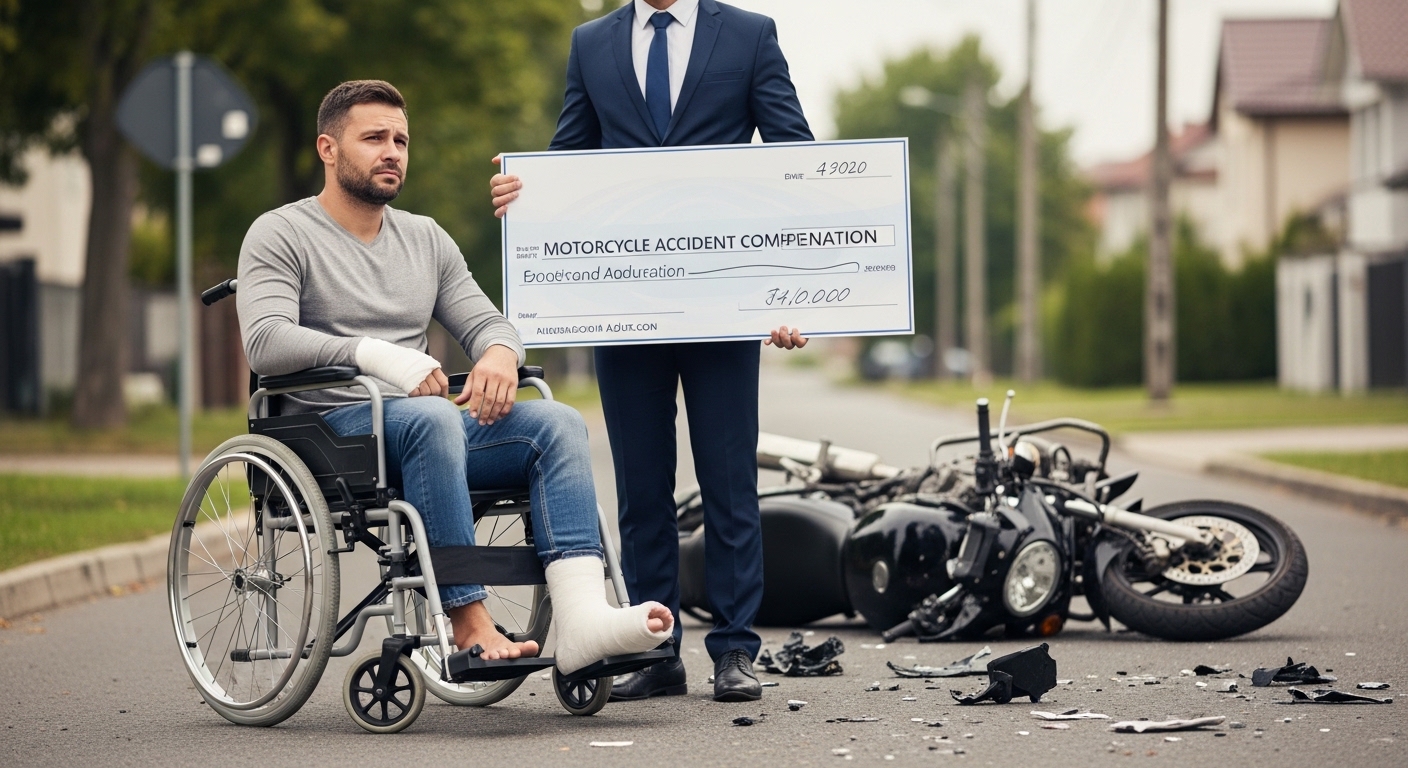
Compensation in a motorcycle accident case typically covers damages related to medical bills, lost wages, property damage, and pain and suffering. The amount you may receive depends on the severity of the accident and the extent of the damages. Motorcycle compensation can be categorized into the following types:
Types of Compensation
- Medical Expenses: These include costs for emergency services, hospital stays, surgeries, physical therapy, and long-term care. Medical compensation is often one of the largest portions of the overall compensation awarded after an accident.
- Lost Wages: If your injuries prevent you from working, compensation can be provided for lost income during your recovery. This includes wages lost due to time off work and, in some cases, reduced earning capacity if your injuries leave you unable to perform your previous job duties.
- Pain and Suffering: This compensation type addresses the emotional and physical pain resulting from the accident. It can include compensation for physical pain, mental anguish, emotional distress, and the impact the injury has on your quality of life. Learn about pain and suffering claims.
- Property Damage: Compensation for damages to your motorcycle, helmet, and other personal property can also be included. This may cover the cost of repairs or the value of a replacement motorcycle if yours was severely damaged or totaled in the crash.
The Legal Process: How to Pursue Motorcycle Accident Compensation
The legal process for pursuing compensation can be complex, but understanding the steps involved can help you navigate the situation. Here’s an overview of how to proceed with a motorcycle accident claim:
Step 1: Report the Accident
After any motorcycle accident, it’s essential to report the incident to the authorities and your insurance company. Failing to report the accident in a timely manner could result in issues when pursuing compensation. A police report will help establish the facts of the accident, including the parties involved, witness accounts, and any citations issued. For reporting tips, visit NHTSA’s tips on reporting or learn more about handling a motorcycle accident scene.
Step 2: Gather Evidence
Collecting evidence at the scene of the accident can play a pivotal role in your case. This includes taking photographs of the scene, injuries, vehicle damage, and the surrounding environment. Additionally, gathering witness statements and retaining copies of medical records will be vital for establishing the extent of your damages and the cause of the crash. For legal advice on gathering evidence, check out Justia’s legal resources.
Step 3: Consult an Attorney
Consulting an experienced motorcycle accident lawyer can significantly increase your chances of obtaining fair compensation. A lawyer will help you assess your case, identify the liable parties, and guide you through the legal process. They will also negotiate with insurance companies on your behalf, ensuring that you’re not taken advantage of. Learn how FindLaw can help you find an attorney.
Step 4: File a Claim or Lawsuit
If you’re unable to reach a fair settlement through negotiations with insurance companies, you may need to file a personal injury claim or lawsuit. In a lawsuit, your attorney will present the evidence to a court, and a judge or jury will determine the outcome of your case. This step typically occurs if the insurance company refuses to offer a reasonable settlement or if the responsible party disputes the claim. For further information on filing a lawsuit, visit LegalZoom’s resources.
Factors That Can Affect Compensation Amount
 Several factors can influence the amount of compensation awarded to you in a motorcycle accident case. These factors include:
- Severity of Injuries: The more severe your injuries, the higher the compensation. Serious injuries such as traumatic brain injuries (TBI), spinal cord injuries, or amputations typically result in higher compensation awards. Read about traumatic brain injuries on the NIH website.
- Contributory Negligence: If you are found partially at fault for the accident, your compensation could be reduced according to the degree of fault. This is known as comparative negligence. In some jurisdictions, if you’re found to be over 50% at fault, you may not be entitled to compensation. Visit LegalMatch’s legal information on comparative negligence.
- Insurance Coverage: The amount of coverage held by the at-fault driver’s insurance company can limit the amount of compensation available. If the insurance limits are low, you may need to pursue other avenues, such as your own uninsured motorist coverage.
- Witness Testimonies and Evidence: The strength of your evidence, including witness testimonies and expert opinions, can affect the compensation you receive. The more compelling your evidence, the better your chances of a favorable settlement or court decision. Learn about the importance of witness testimonies.
How Motorcycle Safety Technology Affects Liability and Compensation
Motorcycle safety technology is evolving rapidly and playing a role in both accident prevention and the determination of liability. Features like anti-lock braking systems (ABS), electronic stability control, and traction control help reduce the likelihood of an accident. Additionally, advancements in helmet technology, such as airbag-equipped helmets, are increasing rider protection.
In terms of liability, technology can assist in determining fault. For example, data from crash data recorders (similar to black boxes in airplanes) can provide valuable information about the speed, braking, and impact during the accident, helping to clarify the cause of the crash. For more on IIHS motorcycle safety features, visit their site.
Conclusion
Motorcycle accidents can be devastating, but understanding liability and compensation can help you navigate the aftermath. Whether you’re pursuing a claim for medical expenses, lost wages, or property damage, knowing your rights and seeking legal assistance can significantly improve your chances of obtaining fair compensation.