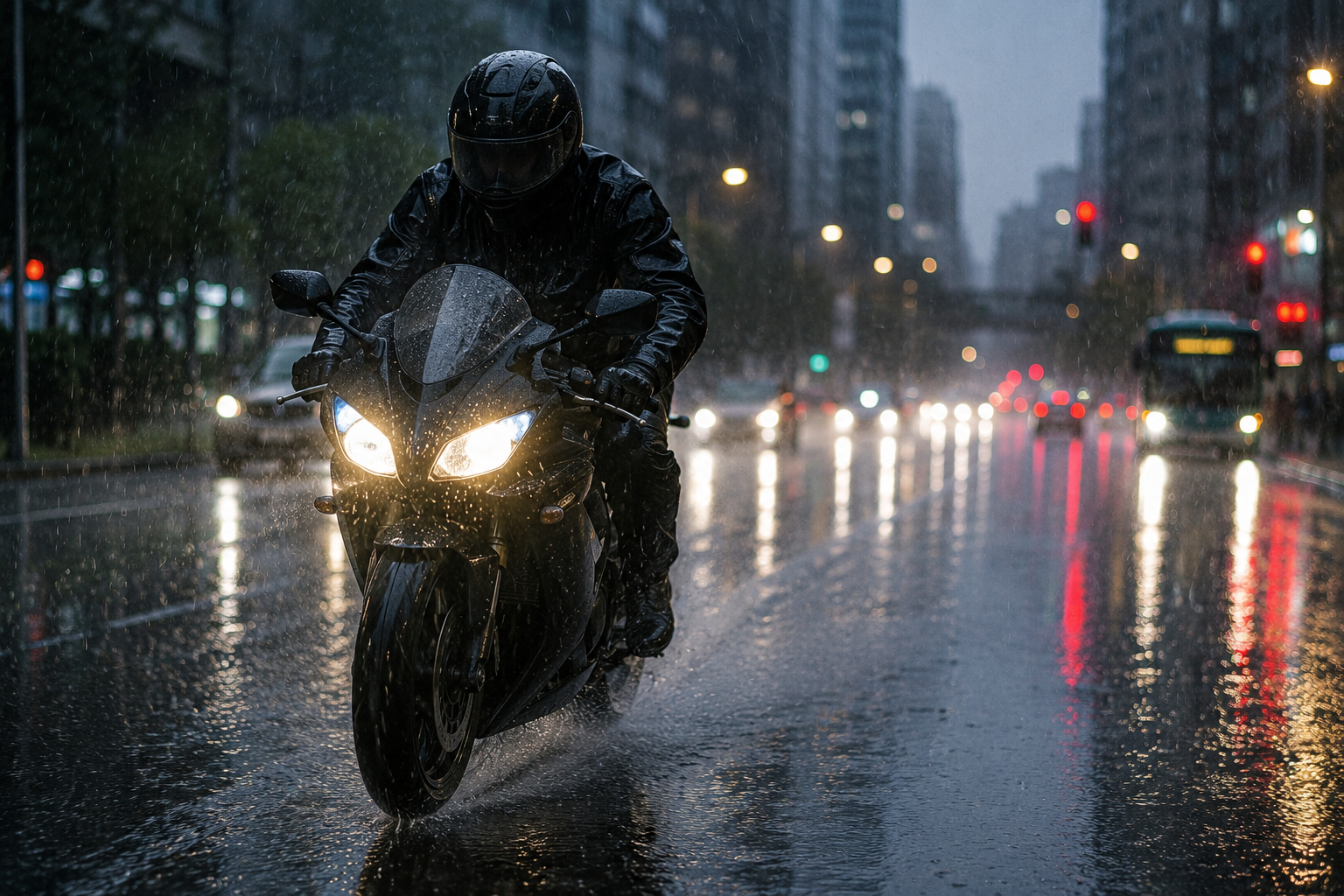
Weather can change a normal motorcycle ride into a high-risk situation within minutes. Rain, fog, wind, heat, cold, and poor visibility can affect traction, braking, balance, and driver awareness. Since motorcycles offer less physical protection than cars, riders may face greater danger when road and weather conditions become unpredictable.
Understanding weather-related motorcycle accident risks can help riders make safer choices before and during a ride. It can also help injured riders understand what factors may matter after a crash. Weather alone does not always cause an accident. In many cases, driver behavior, road design, speed, visibility, and vehicle control all play a role.
Why Weather Creates Serious Risks for Motorcyclists
Motorcycles rely heavily on balance, tire grip, visibility, and rider reaction time. Weather affects all of these factors. A wet road can reduce tire traction. Fog can make a rider harder to see. Strong wind can push a motorcycle out of its lane. Extreme temperatures can affect rider comfort, focus, and equipment performance.
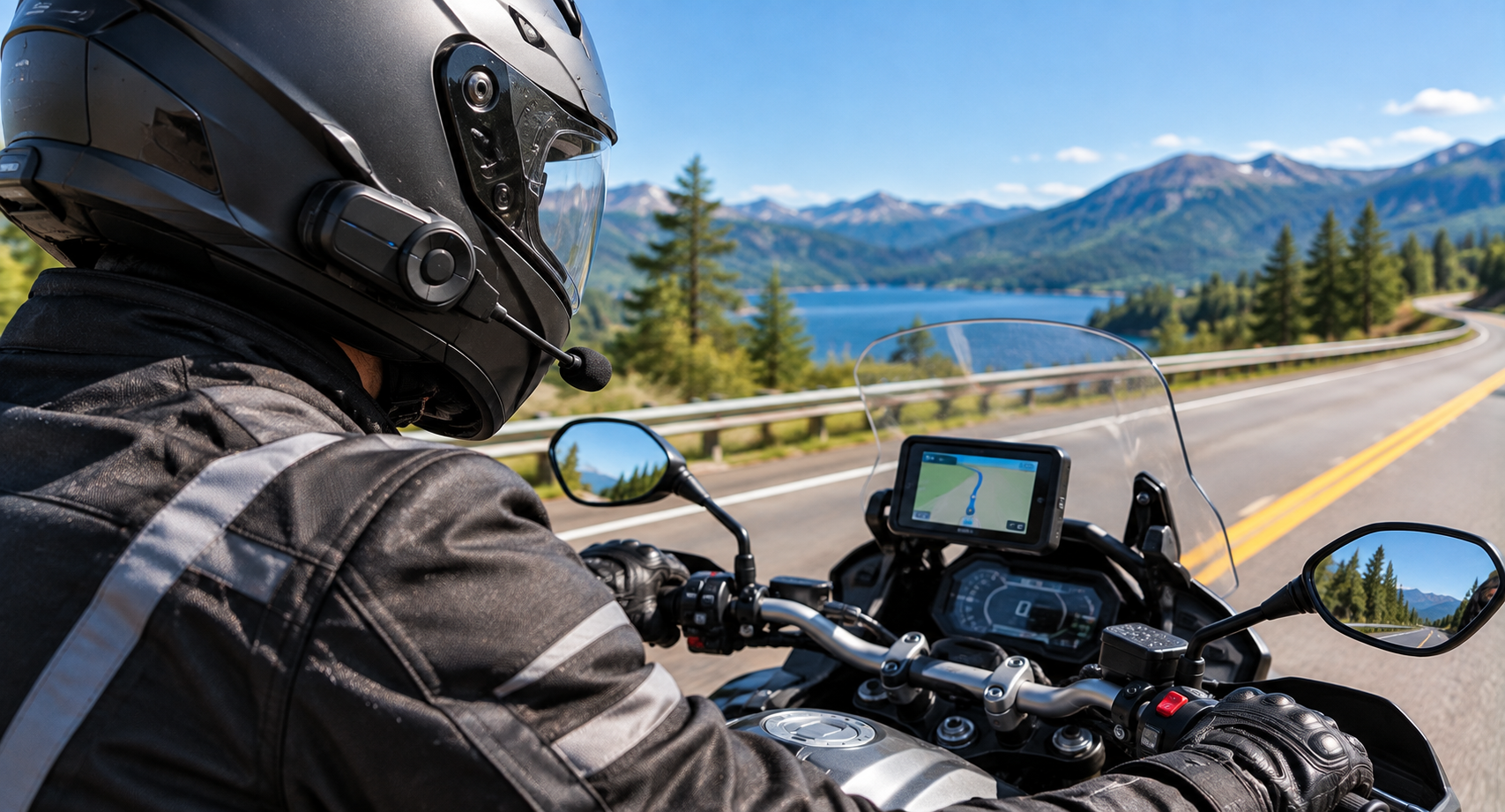
Unlike drivers inside cars, motorcyclists are directly exposed to the environment. Rain can hit the visor. Cold can stiffen hands. Heat can cause fatigue. Poor lighting can make road hazards harder to spot. These challenges can increase the risk of sudden braking, swerving, or losing control.
The National Highway Traffic Safety Administration provides motorcycle safety information that explains the importance of visibility, riding skills, and protective choices for motorcyclists. Riders can review more safety information from NHTSA motorcycle safety resources.
How Rain and Wet Roads Affect Motorcycle Safety
Rain is one of the most common weather hazards for motorcyclists. Wet pavement can reduce traction, especially during the first few minutes of rainfall. Oil, dust, and other road residue can mix with rainwater and create a slick surface. This can make turns, lane changes, and braking more difficult.
Wet roads can also increase stopping distance. A rider who follows another vehicle too closely may not have enough time to stop safely if traffic slows suddenly. Puddles can hide potholes, uneven pavement, or debris. Painted lane markings, metal utility covers, railroad tracks, and bridge surfaces can become slippery when wet.
Rain can also reduce visibility. A rider’s visor may collect water droplets. Car drivers may have reduced windshield visibility. Headlight glare on wet pavement can create confusing reflections. These conditions make it harder for all road users to judge speed, distance, and position.
Riding Through Fog and Low Visibility Conditions
Fog can be especially dangerous because it limits how far riders and drivers can see. A motorcyclist may not notice stopped traffic, road debris, or a sharp curve until there is little time to react. Drivers may also fail to see motorcycles in adjacent lanes or at intersections.
In foggy conditions, speed becomes a major concern. The faster a rider travels, the less time they have to respond to hazards. Low beams are usually more useful than high beams in fog because high beams can reflect off moisture in the air and reduce visibility further.
Riders should also consider increasing following distance during fog. More space gives riders time to brake gradually. Sudden braking in low visibility conditions can create a chain reaction if nearby drivers are following too closely.
How Wind and Debris Increase Crash Risks
 Strong wind can affect motorcycle control. Crosswinds can push a motorcycle sideways, especially on bridges, open highways, and areas without natural wind barriers. Gusts from large trucks can also surprise riders and create instability.
Wind can move debris into the roadway. Branches, trash, gravel, construction materials, and loose objects can become serious hazards for motorcyclists. Even small debris can affect balance or cause a rider to swerve suddenly.
Riders should use caution when passing large vehicles in windy conditions. Trucks, buses, and trailers can block wind temporarily, then expose riders to sudden gusts after passing. Maintaining a steady grip and reducing speed can help improve control.
The Dangers of Extreme Heat and Cold
Extreme heat can affect rider focus and physical comfort. Dehydration, fatigue, and heat stress can reduce reaction time. Some riders may be tempted to wear less protective gear in hot weather, but less gear can increase injury risk if a crash occurs.
Protective clothing should balance ventilation and safety. Riders can learn more about protective choices by reviewing your internal article on protective motorcycle gear.
Cold weather creates different problems. Cold hands can reduce throttle, brake, and clutch control. Fogged visors can reduce visibility. Tires may take longer to warm up, which can affect grip. Ice, frost, and shaded wet areas can create sudden traction loss.
Road Surface Hazards During Bad Weather
Weather can make existing road hazards more dangerous. Potholes, cracks, loose gravel, uneven pavement, and poor drainage can become harder to see and more difficult to avoid. Standing water may also cause hydroplaning, especially if tires are worn or speed is too high for the conditions.
Motorcyclists should pay attention to road texture and surface changes. A shiny surface may indicate water, oil, or ice. Leaves can become slick when wet. Sand and gravel can collect near intersections, curves, and road shoulders.
For more general safety guidance, readers can visit your motorcycle injury prevention category.
Motorcycle Safety Tips for Bad Weather
Riders can reduce risk by checking the weather before each ride. If severe weather is expected, delaying the trip may be the safer option. When riding cannot be avoided, preparation matters.
Motorcyclists should inspect tire tread, tire pressure, brakes, lights, mirrors, and protective gear. Visibility becomes especially important during poor weather. Reflective gear, clean headlights, and clear visors can help other road users see the rider more easily.
During bad weather, riders should slow down and increase following distance. Smooth throttle control, gentle braking, and gradual steering can reduce the chance of losing traction. Sudden movements can be more dangerous on wet or unstable surfaces.
The National Weather Service provides safety information for many weather conditions, including rain, fog, heat, cold, and storms. Riders can review general weather safety tips through the National Weather Service safety page.
What to Do After a Weather-Related Motorcycle Accident
After a weather-related motorcycle accident, safety should come first. Riders should move away from traffic if they can do so safely. Emergency services should be contacted if anyone is injured or if the scene creates a hazard for others.
Weather conditions should be documented when possible. Photos of wet pavement, fog, poor lighting, debris, tire marks, road hazards, and vehicle positions can help explain what happened. Riders should also collect witness information and request a police report when appropriate.
Your related guide on motorcycle accident scene steps can support readers who need a clearer post-crash checklist.
Can Weather Affect Liability After a Motorcycle Accident?
 Weather can affect liability, but it does not automatically excuse unsafe driving. Drivers and riders are generally expected to adjust their behavior to road conditions. This may mean slowing down, increasing following distance, using headlights, and avoiding sudden maneuvers.
If a driver speeds in heavy rain, follows too closely in fog, or fails to see a motorcyclist because they were not driving carefully, that driver may still share responsibility. A rider may also face questions if they were traveling too fast for the conditions or failed to use proper lights or gear.
Insurance companies may review weather reports, police findings, photos, video footage, witness statements, and crash reconstruction details. The Insurance Institute for Highway Safety also provides motorcycle safety research and data through its motorcycle safety topic page.
Conclusion
Weather conditions can increase motorcycle accident risks by reducing traction, visibility, balance, and reaction time. Rain, fog, wind, heat, cold, and road debris can all make riding more dangerous. Riders can reduce these risks by preparing carefully, slowing down, wearing proper gear, and adjusting to changing conditions.
Weather may be part of the story after a motorcycle crash, but it is rarely the only factor. Driver behavior, road hazards, speed, visibility, and safety choices can all matter. Understanding these factors can help riders stay safer and better prepared when the weather changes.