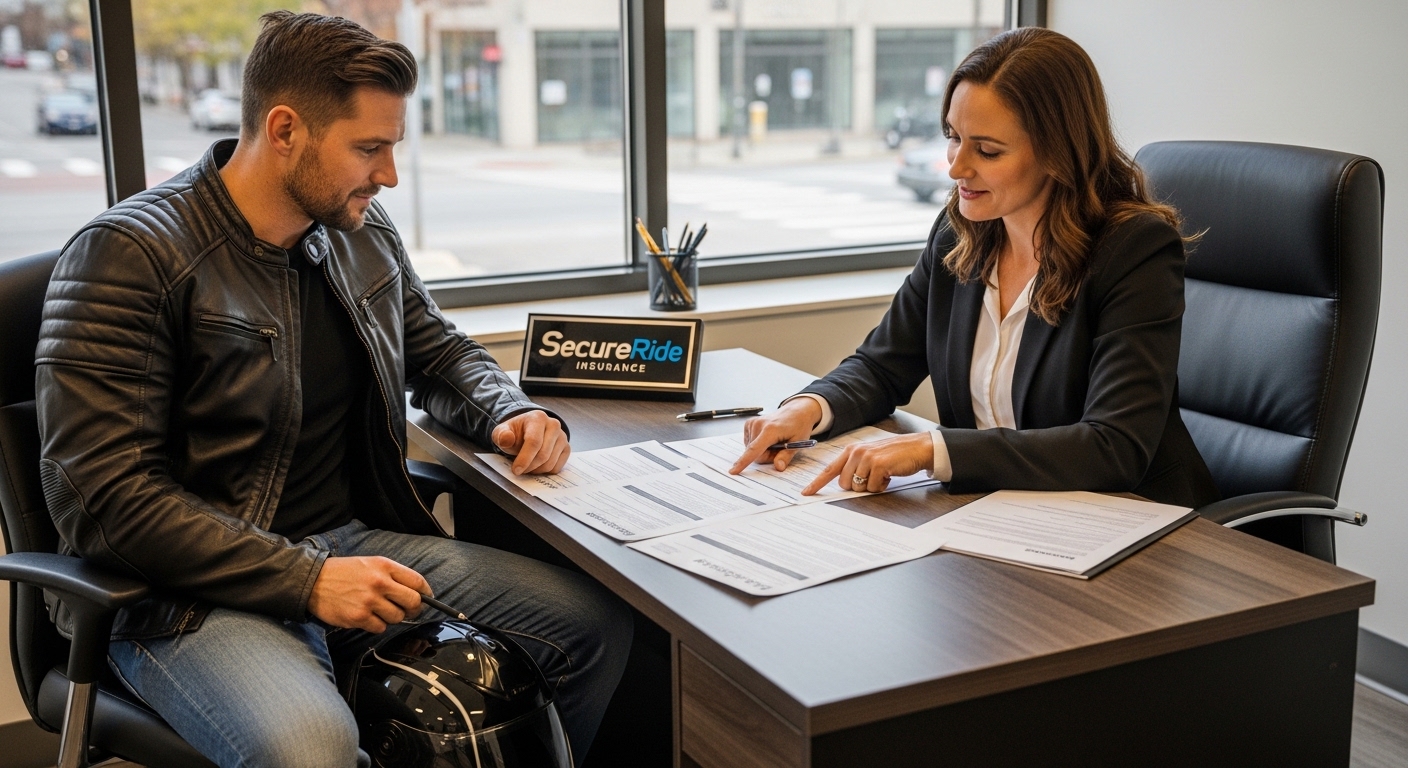
When it comes to motorcycle accidents, understanding your insurance coverage can be just as important as knowing what steps to take after the crash. The right insurance policy can significantly affect the liability determination and the compensation you receive. This guide will explore the different types of motorcycle insurance and how they impact your liability and compensation in the event of an accident.
What Is Motorcycle Insurance?
Motorcycle insurance is a contract between a rider and an insurance company that provides financial protection in the event of an accident. This coverage can include a range of scenarios, from bodily injuries to property damage, and it varies depending on the type of insurance policy you choose. A motorcycle insurance policy can cover the rider, the motorcycle itself, and any damage caused to other vehicles or property in an accident.
Types of Motorcycle Insurance Coverage
Motorcycle insurance comes in several different forms, each designed to address different aspects of an accident. Understanding these coverage types is essential to ensuring that you’re adequately protected in the event of an accident.
Liability Coverage
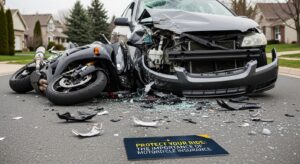 Liability insurance is one of the most critical aspects of motorcycle insurance. This type of coverage helps cover the costs of damages or injuries that you may cause to another party in an accident. It is typically divided into two categories:
- Bodily Injury Liability: Covers medical expenses, lost wages, and other costs associated with injuries caused to other people in an accident you are at fault for. Learn more about bodily injury liability at NHTSA.
- Property Damage Liability: Pays for the repair or replacement of property damaged in an accident, including other vehicles, structures, or personal property that you hit. Read more about property damage coverage on III – Insurance Information Institute.
Liability coverage is legally required in most states, and having sufficient coverage can protect you from costly lawsuits in the event of an accident. However, it does not cover your own injuries or property damage, which is where additional coverage types come into play. For more details on motorcycle insurance types, visit Motorcycle Insurance Blog.
Collision Coverage
Collision coverage helps pay for damage to your motorcycle in the event of a collision, regardless of who is at fault. This type of coverage is especially important for motorcyclists, as motorcycles are often more vulnerable to severe damage in accidents compared to other vehicles.
With collision coverage, you can have peace of mind knowing that if you crash your motorcycle, the insurance company will help pay for repairs or replacement, up to the value of your bike. Keep in mind, though, that collision coverage often comes with a deductible, which is the amount you must pay out of pocket before your insurance kicks in. You can find more details on collision coverage at GEICO Motorcycle Insurance.
Comprehensive Coverage
Comprehensive coverage protects you against damages that are not caused by a collision, such as theft, vandalism, or natural disasters. If your motorcycle is damaged by a falling tree branch or is stolen, comprehensive insurance will cover the cost of repairs or replacement. This type of coverage is optional, but it can be beneficial in protecting your investment in the motorcycle itself.
Uninsured/Underinsured Motorist Coverage
Unfortunately, not all drivers have insurance, and even fewer have adequate insurance to cover all damages in the event of an accident. Uninsured/underinsured motorist coverage protects you in cases where the at-fault driver is uninsured or has insufficient coverage to cover the full extent of the damage. If you are involved in an accident with an uninsured driver, this coverage can help pay for your medical bills, property damage, and lost wages.
How Insurance Affects Liability in Motorcycle Accidents
In the event of a motorcycle accident, determining who is at fault is critical for establishing liability. Your insurance policy can play a key role in this process, especially when the fault is not immediately clear. Here’s how insurance impacts the determination of liability:
At-Fault Accidents
If you are found to be at fault in the accident, your liability coverage will be activated to cover the costs of damages to the other party, including their medical bills and property damage. However, your own injuries and property damage may not be covered unless you have sufficient coverage, such as collision or comprehensive coverage. Having liability insurance ensures that you can meet the financial obligations associated with the damages you cause to others.
Shared Fault (Comparative Negligence)
In many cases, accidents may involve shared fault, or comparative negligence. This means that both parties are partially responsible for the accident. In such cases, your insurance policy will typically pay for the portion of the damages that correspond to your fault, while the other party’s insurance will cover the remaining costs. The amount of compensation you can receive from the other party’s insurance will depend on the percentage of fault assigned to them.
Some states use a “pure comparative negligence” system, where you can still receive compensation even if you are mostly at fault. Others use a “modified comparative negligence” system, where you may be barred from receiving compensation if you are found to be more than 50% or 51% at fault.
Hit-and-Run Accidents
In a hit-and-run accident, where the responsible driver flees the scene, having uninsured motorist coverage becomes vital. If the at-fault driver is never located or lacks insurance, your own insurance policy can help cover the cost of your injuries and property damage. In this case, uninsured motorist coverage provides a safety net for riders who are victims of drivers who do not have insurance or are unidentifiable.
How Insurance Affects Motorcycle Compensation
 In addition to determining liability, motorcycle insurance also plays a significant role in the amount of compensation you can receive after an accident. Here’s how different coverage types can impact your compensation:
Medical Expenses
If you are injured in an accident, medical expenses are often one of the most significant costs. Motorcycle insurance can help cover these expenses in different ways depending on the type of coverage you have:
- Medical Payments (MedPay) Coverage: This optional coverage helps pay for medical expenses, regardless of who was at fault in the accident. It can cover hospital visits, surgeries, rehabilitation, and other necessary treatments. For more details, check out Nolo – Medical Payments Coverage.
- Health Insurance: If your motorcycle insurance doesn’t cover all medical costs, your personal health insurance policy may cover the remaining medical expenses, depending on your coverage limits.
Lost Wages
If your injuries prevent you from working, you may be entitled to compensation for lost wages. While your motorcycle insurance policy may not directly cover lost wages, some policies include additional provisions or benefits for such situations. If the at-fault driver is uninsured or underinsured, you may be able to use your uninsured motorist coverage to recoup lost income, especially if they do not have enough insurance to cover your damages. Check out Motorcycle Accident Scene Handling Tips.
Property Damage
If your motorcycle is damaged in an accident, the cost of repairs or replacement may be covered by your insurance policy. Collision coverage will pay for damages caused by an accident, while comprehensive coverage will help if your bike is damaged by an incident not involving another vehicle. Property damage can also include repairs to any other vehicles or property damaged in the accident.
Factors That Can Affect Motorcycle Insurance Compensation
Several factors can impact the amount of compensation you receive from your insurance provider. These factors include:
- Insurance Coverage Limits: Each insurance policy has a coverage limit, which is the maximum amount your insurer will pay out for a claim. If the damages exceed your coverage limit, you may need to pay the difference out of pocket.
- Your Deductible: The deductible is the amount you must pay before your insurance kicks in. A higher deductible typically results in lower premiums, but it means you’ll need to pay more upfront in the event of an accident.
- Policy Type: The type of insurance policy you have will determine what costs are covered and to what extent. Comprehensive and collision coverage will help with repairs to your motorcycle, while liability coverage will help cover damages to other people.
How to Choose the Right Motorcycle Insurance
Choosing the right motorcycle insurance is essential to ensuring that you are adequately protected in the event of an accident. When shopping for motorcycle insurance, consider the following tips:
- Compare Policies: Shop around and compare quotes from different insurance providers to find the best coverage at an affordable price. Visit The Zebra – Motorcycle Insurance for more comparison tools.
- Review Coverage Options: Ensure that your policy includes the coverage types that are important to you, such as collision, comprehensive, and uninsured motorist coverage.
- Understand State Requirements: Different states have different minimum requirements for motorcycle insurance, so make sure your policy meets those requirements.
Conclusion
Motorcycle insurance plays a crucial role in determining liability and compensation after an accident. With the right coverage, you can protect yourself from financial hardship and ensure that you receive the compensation you deserve. Understanding the types of coverage available and how they affect your case is essential for every motorcyclist. Make sure you choose the right policy to protect your investment, your health, and your future.